LSU’s $162 Million Coaching Carousel: Is It Worth The Price?
Introduction: A Hefty Price Tag for Gridiron Glory
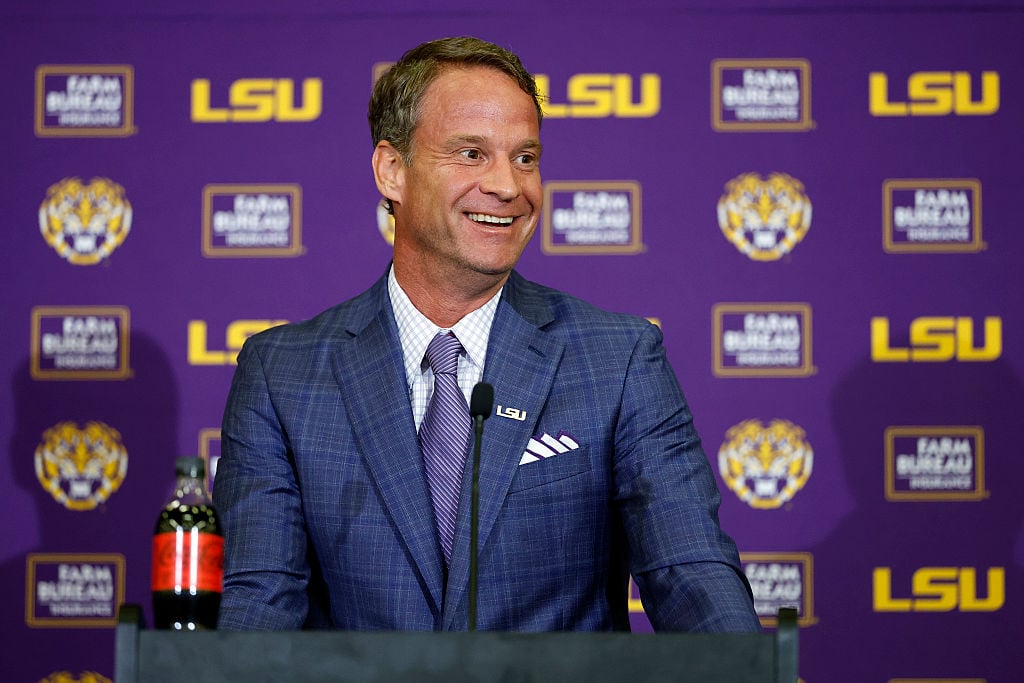
The LSU Tigers recently concluded their regular season, a campaign marked by both promise and frustration. While securing a bowl game berth, their 7-5 record falls short of the program’s lofty expectations and College Football Playoff aspirations. Yet, amidst the mixed results, a wave of excitement has swept through Baton Rouge. LSU has made a significant splash, luring Lane Kiffin away from the Ole Miss Rebels, a fellow SEC competitor. The acquisition of Kiffin comes at a steep price, however, raising questions about the financial implications of LSU’s aggressive pursuit of coaching talent. But he is just one piece of the puzzle – the LSU program is investing in multiple coaches to try to reach the top.
The Kiffin Era Begins: What LSU is Getting
Of course, signing Kiffin came at a cost. Beyond just the sheer amount of money, LSU had to convince him to leave his prior program, where he was seemingly entrenched. Beyond just being a good coach, Kiffin brings a certain swagger that LSU believes will resonate with both players and fans alike. It’s a gamble, of course, but LSU leadership believes that the potential reward far outweighs the inherent risks. The program is betting that Kiffin’s offensive prowess and recruiting acumen will elevate the Tigers back to national prominence. He will be expected to not only win games, but also to cultivate a winning culture that attracts top talent and fosters sustained success.
The $162 Million Breakdown: More Than Just a Head Coach
The headline figure of $162 million is not solely attributed to Kiffin’s contract. This staggering amount encompasses the combined salaries and potential buyouts for three key coaching figures within the LSU football program. It includes not only the hefty contract given to Kiffin, but also the residual payments to former coaches and the new investments being made in support staff. This broader financial commitment underscores LSU’s determination to build a comprehensive and elite football operation. It signifies a program-wide investment, spanning from the head coach’s salary to the support staff, facilities upgrades, and recruiting budget.
Paying For Past Mistakes: The Buyout Factor
A significant portion of the $162 million figure likely includes buyout payments to previous coaching staff members. Coaching changes are a costly endeavor, as institutions are typically obligated to honor the remaining years of terminated contracts. These buyouts can place a considerable strain on athletic department budgets and limit the resources available for hiring new coaches and investing in other program needs. The current landscape of college football, with its emphasis on immediate success and the pressure to compete at the highest level, often leads to rapid coaching turnover and escalating buyout costs. LSU, like many other prominent programs, has experienced its share of coaching changes in recent years, contributing to the overall financial burden.
The Pressure to Perform: Justifying the Investment
With such a massive financial commitment, the pressure on Kiffin and the entire LSU football program to deliver results will be immense. The administration, boosters, and fans will expect immediate and sustained success on the field. Anything less will be viewed as a failure to justify the exorbitant investment. This high-pressure environment can be both a motivator and a potential source of stress for coaches and players alike. The expectations will be sky-high, and the scrutiny intense. Kiffin, in particular, will be under the microscope, tasked with transforming the Tigers into a consistent championship contender.
Recruiting Wars: Can Money Buy Talent?
The investment in coaching salaries is directly tied to recruiting efforts. Top coaches are often considered to be effective recruiters, capable of attracting elite talent to their programs. LSU hopes that Kiffin’s reputation and connections will give them an edge in the competitive world of college football recruiting. The ability to secure commitments from highly rated prospects is crucial for building a championship-caliber roster. However, while money can undoubtedly help in the recruiting process, it is not the sole determinant of success. Factors such as program prestige, facilities, academic reputation, and the overall student-athlete experience also play significant roles in attracting top recruits.
The Ripple Effect: Impact on Other LSU Programs
The massive expenditure on football raises questions about the potential impact on other athletic programs at LSU. Resources are finite, and a significant investment in one area may necessitate cuts or limitations in others. It’s important to consider whether the pursuit of football glory comes at the expense of other sports and the overall athletic department experience for student-athletes. A balanced approach to resource allocation is essential for ensuring the long-term health and success of all LSU athletic programs. This may involve prioritizing fundraising efforts for non-revenue sports or exploring alternative revenue streams to support a comprehensive athletic program.
The Broader Context: The Economics of College Football
LSU’s situation is not unique. College football has become a multi-billion dollar industry, with escalating coaching salaries, lavish facilities, and lucrative television contracts. The pressure to compete at the highest level has driven up costs, creating a financial arms race among the elite programs. This trend raises concerns about the sustainability of the current model and the potential for an ever-widening gap between the haves and have-nots in college football. The economic realities of the sport demand careful financial management and a strategic approach to resource allocation. Programs must balance the desire to compete for championships with the need to maintain financial stability and support a diverse range of athletic programs.
Alternative Investment Strategies: Beyond Coaching Salaries
While securing top coaching talent is undoubtedly important, there are alternative investment strategies that LSU could consider to enhance its football program and overall athletic department. These include facility upgrades, academic support services for student-athletes, mental health resources, and increased investment in non-revenue sports. A holistic approach to program development can create a more positive and supportive environment for all student-athletes and contribute to long-term success both on and off the field. Furthermore, investing in innovative technologies and data analytics can provide a competitive edge in recruiting, game preparation, and player development.
Conclusion: A Gamble With High Stakes
LSU’s $162 million investment in its football coaching staff represents a significant gamble. The potential reward is a return to national prominence and sustained success on the gridiron. However, the pressure to perform will be immense, and the financial implications could have far-reaching consequences for the entire athletic department. Only time will tell if this bold move pays off. The success of this venture hinges on Kiffin’s ability to deliver on the field, the program’s ability to attract top talent, and the long-term financial sustainability of the athletic department. The LSU faithful are undoubtedly eager to see if this investment can bring championship glory back to Baton Rouge.
FAQs About LSU’s Coaching Investment
Why is LSU spending so much money on coaches?
LSU is aiming to return to the top of college football and believes that hiring elite coaches is a key component of achieving that goal. The investment reflects their desire to compete for championships and attract top talent.
What are the potential risks of spending so much on coaching salaries?
The risks include financial strain on the athletic department, pressure on other programs, and the possibility that the investment may not yield the desired results. The program must also ensure the coach meshes with the culture, as a poor fit will cause problems.
What other factors contribute to a successful football program besides coaching salaries?
Other factors include recruiting, facilities, academic support, player development, and a strong program culture. A holistic approach to program development is essential for sustained success.