LSU’s Billion-Dollar Gamble: Is Football Spending About To Explode?
Introduction: A Football Frenzy in Baton Rouge
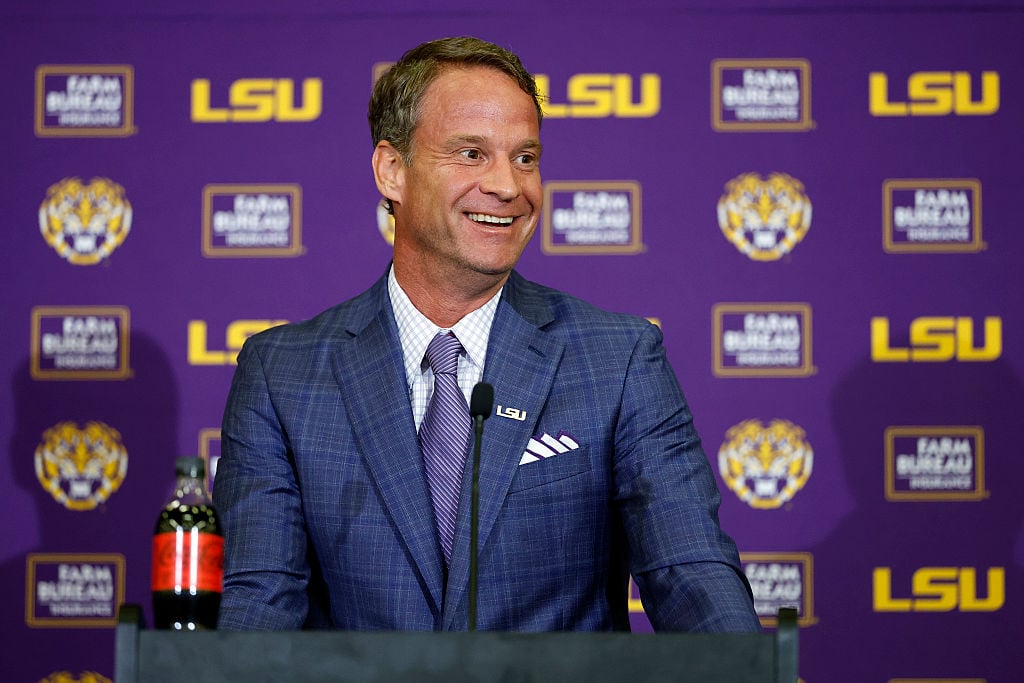
LSU is in a peculiar position. A 7-4 record, firmly planted in the SEC’s mid-tier, and definitively out of College Football Playoff contention, wouldn’t typically generate national headlines. Yet, the Bayou Bengals are dominating the college football conversation, not because of on-field performance, but due to an unprecedented coaching saga and the potential for record-breaking financial commitments to their football program. On October 26th, the university dismissed head coach Brian Kelly, setting off a chain reaction that could reshape the landscape of college football finance. This article delves into the depths of the LSU situation, exploring the Kelly controversy, the potential replacements, and the staggering sums of money involved in this high-stakes gamble.
The Brian Kelly Buyout Battle: A $54 Million Question
The dismissal of Brian Kelly wasn’t a quiet affair. The coach, known for his meticulous contract negotiations, is reportedly challenging the termination and seeking his full $54 million buyout. The legal battle underscores the immense financial pressures and complexities of modern college football coaching. These exorbitant buyouts highlight the risks associated with hiring high-profile coaches, particularly when expectations aren’t met. The case could set a precedent for future coach firings, forcing universities to carefully consider the financial ramifications before making a change. The legal back-and-forth is a costly sideshow to the main event – finding a coach who can return LSU to national prominence.
Dream Candidates and Their Price Tags: Who’s on LSU’s Radar?
With a vacant coaching position comes a flurry of speculation about potential replacements. Names like Lane Kiffin (Ole Miss), Dabo Swinney (Clemson), and even a potential Hail Mary run at a sitting NFL coach have been floated. Each of these coaches comes with a hefty price tag, not just in terms of salary, but also in potential buyouts from their current schools or teams. Landing a coach of this caliber requires a significant financial investment, signaling LSU’s commitment to regaining its status as a national powerhouse. The willingness to pursue such high-profile candidates underscores the university’s understanding that success on the football field translates to increased revenue, alumni engagement, and national recognition.
The Facilities Arms Race: Upgrading for the Future
The coaching hire isn’t the only area where LSU is likely to invest heavily. To attract top recruits and compete with the elite programs, upgrading facilities is paramount. This could involve renovating the stadium, expanding the weight room, improving training facilities, and enhancing the overall player experience. These upgrades represent a significant financial commitment, but they are essential for creating a competitive environment that attracts and retains top talent. The arms race in college football facilities is a constant escalation, and LSU must stay ahead of the curve to remain relevant.
Recruiting Power: Investing in Future Stars
A successful football program hinges on recruiting. LSU needs to invest in recruiting infrastructure, staff, and resources to attract the best high school players in the country. This includes travel expenses, recruiting visits, camps, and a dedicated team of recruiters who can identify and cultivate relationships with top prospects. The competition for elite recruits is fierce, and LSU must be willing to spend the money necessary to secure the players who can make a difference on the field. The investment in recruiting is an investment in the future of the program.
The Ripple Effect: How Football Spending Impacts the Entire University
The massive investment in football has implications for the entire university. While a successful football program can generate revenue and boost the university’s reputation, it also raises questions about resource allocation. Are academic programs being adequately funded? Are other sports receiving the necessary support? Balancing the needs of the football program with the needs of the rest of the university is a complex challenge. It is critical that LSU maintains a commitment to academic excellence while simultaneously investing in its athletic programs.
Booster Power: The Role of Alumni and Donors
Alumni and donors play a vital role in funding LSU’s football program. Their contributions are crucial for financing coaching salaries, facilities upgrades, recruiting efforts, and other essential expenses. LSU has a passionate and dedicated alumni base, and their continued support is essential for the program’s success. The university must cultivate strong relationships with its alumni and donors to ensure a steady stream of funding for its football program. Without their contributions, the program would struggle to compete with the nation’s elite.
The Risk-Reward Factor: Is It Worth the Investment?
Investing a historical amount of money in the football program is a high-risk, high-reward proposition. If the investment pays off and LSU returns to national prominence, the benefits will be significant. However, if the investment fails to produce the desired results, the consequences could be severe. The university must carefully weigh the risks and rewards before committing to such a massive financial undertaking. The pressure to succeed will be immense, and the new coach will be under intense scrutiny from fans, alumni, and the media.
The National Landscape: Are Other Schools Doing the Same?
LSU isn’t alone in its willingness to spend big on football. Programs like Alabama, Georgia, Texas, and others are also investing heavily in their football programs. The competition for recruits, coaches, and national championships is fierce, and schools are willing to do whatever it takes to gain an edge. This escalating arms race is driving up costs and creating a financial divide between the haves and have-nots in college football. The long-term sustainability of this model is a growing concern.
Conclusion: A Defining Moment for LSU Football
LSU’s current situation represents a pivotal moment for the football program. The decisions made in the coming months will have a profound impact on the program’s future. The university is poised to make a historic investment in its football program, signaling its commitment to regaining its status as a national powerhouse. Whether this investment pays off remains to be seen, but one thing is certain: the college football world will be watching closely. The combination of the Brian Kelly situation, the impending coaching hire, and the likely facilities upgrades, put LSU squarely in the spotlight.
Frequently Asked Questions
- How much money is LSU potentially spending on its football program?
- The exact figure is unknown, but with a $54 million buyout potentially owed to Brian Kelly, a multi-million dollar coaching contract for his replacement, and anticipated facilities upgrades, the total investment could easily exceed $100 million or more.
- Who are the leading candidates to replace Brian Kelly?
- Several names have been mentioned, including Lane Kiffin, Dabo Swinney, and potentially even NFL coaches. The actual candidate will likely depend on LSU’s willingness to spend big and the coach’s desire to come to Baton Rouge.
- What are the potential risks of spending so much money on football?
- The risks include failing to achieve the desired results on the field, straining the university’s budget, and creating an imbalance between athletics and academics. There is also the risk of alienating fans and alumni if the investment doesn’t pay off.