Tech on the Table: How Technology is Redefining Modern Dining
A Taste of the Future: Introduction to the Tech-Savvy Restaurant
Technology has become an undeniable ingredient in the modern restaurant landscape, profoundly altering how we experience dining. No longer is a restaurant visit simply about the food; it’s increasingly about the seamless integration of technology that enhances efficiency, personalization, and overall satisfaction. Restaurants are rapidly adopting innovative systems, from sophisticated Point of Sale (POS) systems to interactive digital menus, all aimed at creating a more engaging and convenient dining experience for you, the customer. This transformation extends beyond mere operational improvements, fundamentally reshaping the traditional dining paradigm and creating a new era of culinary interaction.
Mobile Ordering and the Rise of Curbside Convenience
Gone are the days of solely relying on in-person ordering. Mobile ordering has exploded in popularity, empowering diners to browse menus, customize orders, and pay directly from their smartphones or tablets, even before arriving at the restaurant. This technology offers unparalleled convenience, especially for busy individuals or families on the go. Furthermore, the rise of curbside pickup, facilitated by mobile ordering, allows customers to quickly and safely collect their meals without leaving their vehicles, catering to those who prioritize speed and minimal contact. This trend is not just a passing fad; it’s a fundamental shift in how people interact with restaurants.
POS Systems: The Backbone of Efficient Restaurant Operations
Restaurant Point of Sale (POS) systems, like those offered by Rezku, are no longer just cash registers; they are sophisticated management tools that streamline virtually every aspect of restaurant operations. These systems manage orders, track inventory, process payments (including contactless options), and even generate valuable reports to help owners make data-driven decisions. A modern POS system improves order accuracy, speeds up service, reduces errors, and provides a better overall customer experience. The data gathered from POS systems also helps restaurants understand customer preferences, optimize menu offerings, and forecast demand, leading to increased profitability.
Digital Menus and the Interactive Dining Experience
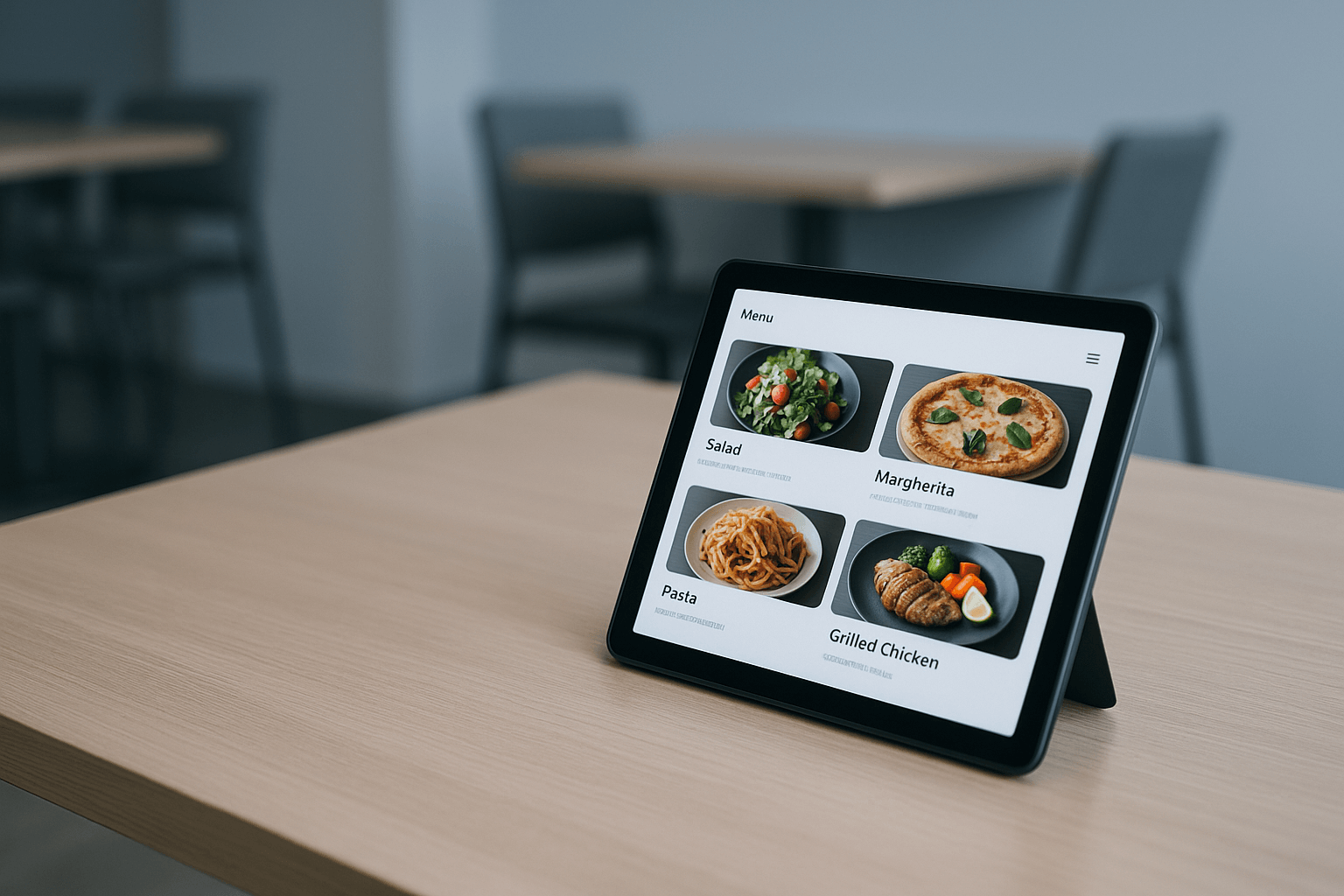
Paper menus are becoming relics of the past as restaurants embrace digital alternatives. Digital menus, displayed on tablets or interactive screens, offer a dynamic and engaging way for customers to explore their options. They can include high-quality images of dishes, detailed descriptions, nutritional information, and even customer reviews. Furthermore, digital menus can be easily updated to reflect seasonal changes, specials, or ingredient availability, eliminating the need for costly and time-consuming reprints. Interactive menus also allow for easy customization of orders, dietary filter options, and even direct ordering capabilities, enhancing the overall dining experience.
Table Management and Waitlist Optimization
Waiting for a table can be a frustrating experience for diners. Technology is providing innovative solutions to streamline table management and minimize wait times. Digital waitlist apps allow customers to join a virtual queue remotely, receiving real-time updates on their estimated wait time. Restaurants can use table management software to optimize seating arrangements, track table turnover rates, and efficiently manage reservations, ensuring a smoother and more pleasant experience for all patrons. This technology reduces congestion in waiting areas, improves customer satisfaction, and maximizes restaurant capacity.
Robotics and Automation: Enhancing Efficiency in the Kitchen
While fully automated restaurants are still relatively rare, the integration of robotics and automation is gradually transforming kitchen operations. Robots can assist with tasks such as food preparation, dishwashing, and even serving, freeing up human staff to focus on more complex tasks like customer service and culinary innovation. Automated beverage dispensers ensure consistent drink preparation, while robotic arms can handle repetitive tasks like chopping vegetables or assembling salads. This technology improves efficiency, reduces labor costs, and ensures consistent quality.
Personalized Dining Experiences Through Data Analytics
Data analytics plays a crucial role in creating personalized dining experiences. Restaurants can leverage data collected from POS systems, online ordering platforms, and customer loyalty programs to gain valuable insights into customer preferences, ordering habits, and dietary restrictions. This information can be used to tailor menu recommendations, offer personalized promotions, and create customized dining experiences that cater to individual needs and tastes. By understanding their customers better, restaurants can foster loyalty, increase customer satisfaction, and drive repeat business.
Contactless Payment Options and Enhanced Security
The rise of contactless payment options, such as mobile wallets and tap-to-pay credit cards, has transformed the payment process in restaurants. These technologies offer a faster, more convenient, and more secure way to pay, reducing the risk of fraud and minimizing physical contact. Contactless payments also integrate seamlessly with POS systems, streamlining the checkout process and improving efficiency. The increased security and convenience of contactless payments have made them a popular choice among diners.
The Future of Dining: Augmented Reality and Beyond
The integration of technology in the restaurant industry is only going to accelerate in the future. Augmented reality (AR) and virtual reality (VR) are poised to revolutionize the dining experience. Imagine viewing a 3D model of your dish before ordering, or experiencing a virtual tour of the restaurant’s kitchen. AR could also enhance the dining experience by providing information about the food’s origins, nutritional content, or even wine pairings. As technology continues to evolve, we can expect even more innovative and immersive dining experiences in the years to come.
Conclusion: Embracing the Technological Revolution in Dining
Technology is undoubtedly transforming modern dining experiences, creating a more efficient, personalized, and engaging environment for both restaurants and their customers. From mobile ordering and POS systems to digital menus and robotics, these innovations are reshaping the way we interact with restaurants and enhancing the overall dining experience. As technology continues to advance, restaurants that embrace these changes will be best positioned to thrive in the ever-evolving culinary landscape.
FAQs about Technology in Restaurants
- How do POS systems benefit restaurants?
- POS systems streamline operations, manage orders, track inventory, process payments, generate reports, and improve customer service, leading to increased efficiency and profitability.
- What are the advantages of mobile ordering for customers?
- Mobile ordering offers convenience, allowing customers to browse menus, customize orders, pay online, and choose pickup or delivery options from their smartphones.
- How does technology enhance the dining experience?
- Technology personalizes the dining experience through data analytics, provides interactive menus, optimizes table management, and offers contactless payment options, resulting in a more seamless and enjoyable experience for customers.