Ace Frehley’s 1982 Kiss Exit: A Choice Between Rock ‘n’ Roll and Survival
The Day the Spaceman Said Goodbye: A Look Back at Ace Frehley’s Departure from Kiss
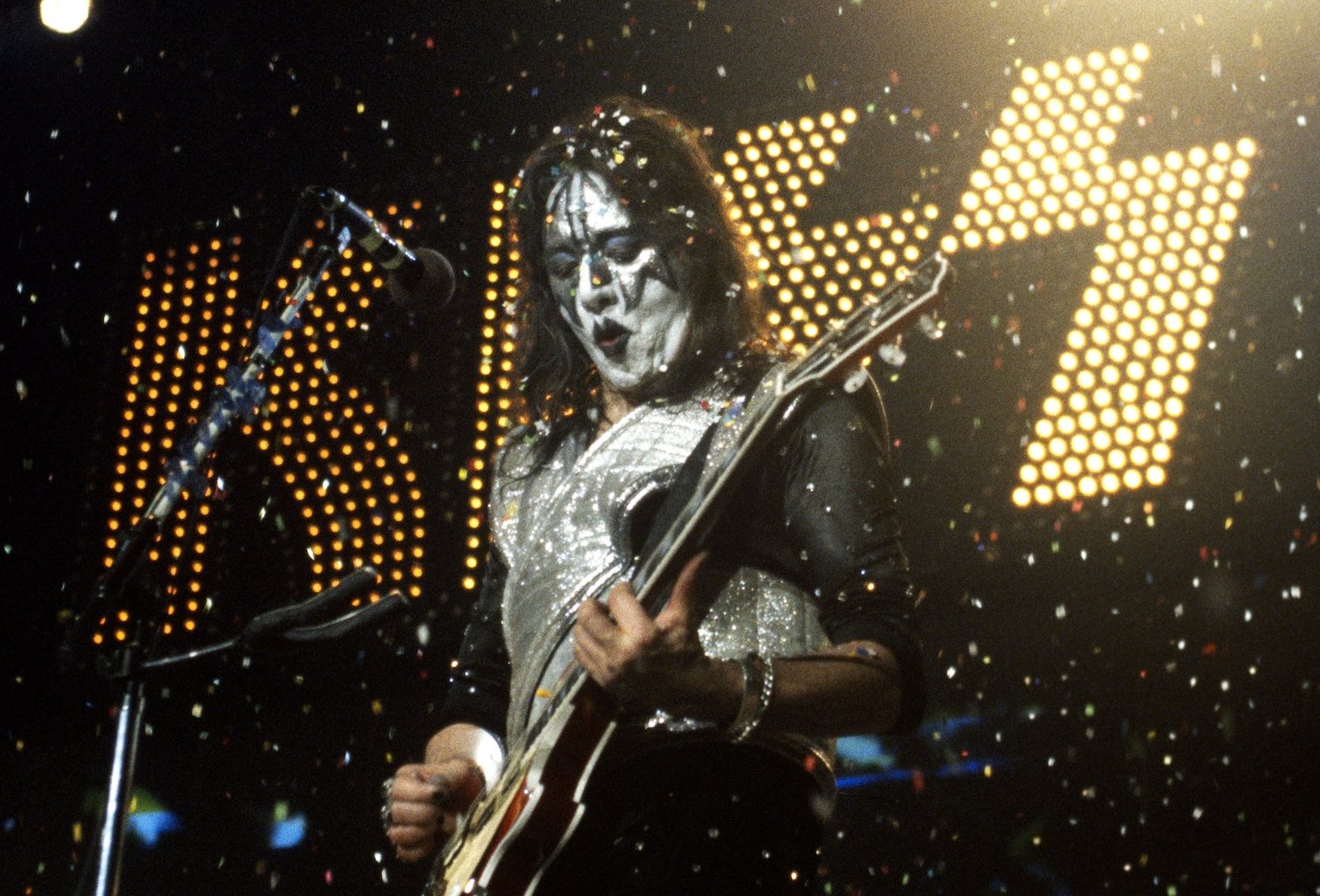
The news rippled through the rock world like a shockwave: Ace Frehley, the original lead guitarist and founding member of Kiss, passed away on October 16, 2025, at the age of 74. While fans mourned the loss of “The Spaceman,” it also sparked a renewed interest in his career, particularly his pivotal decision to leave Kiss in 1982. For those who don’t know, Ace was part of Kiss from the very beginning, helping shape the band’s look, sound, and swagger during its meteoric rise through the 1970s. He was there at the absolute zenith of their success, from 1973 until his departure in 1982, when Kiss was one of the most famous—and profitable—bands in the world. This isn’t just a story of a band member leaving a group; it’s a tale of personal demons, artistic differences, and a desperate fight for survival against the rock and roll machine.
The 1970s: Kiss Mania and Ace’s Ascendancy
The 1970s were the golden age of Kiss. With their painted faces, outrageous costumes, and bombastic stage shows, they captivated audiences worldwide. Ace Frehley’s guitar work was integral to their sound. His blues-infused solos and signature riffs became synonymous with the Kiss sound. From “Strutter” to “Rock and Roll All Nite,” Frehley’s playing was electrifying, contributing significantly to the band’s chart-topping success. The band was touring relentlessly, achieving record sales, and solidifying their status as rock icons. But behind the scenes, the pressures of fame and the constant grind were beginning to take their toll.
The Solo Albums: A Glimpse Into Individual Aspirations
In 1978, the four members of Kiss – Gene Simmons, Paul Stanley, Ace Frehley, and Peter Criss – released solo albums simultaneously. It was a bold experiment, and while all four albums performed respectably, Frehley’s record turned out to be the surprise hit. While Simmons and Stanley leaned towards more theatrical and commercial sounds, Frehley’s album showcased a raw, rock and roll edge. His single, “New York Groove,” became a smash hit, eclipsing the success of his bandmates’ releases and proving his individual star power. This success, however, also sowed seeds of discontent within the band dynamic.
Rising Tensions: Creative Differences and Control Issues
As Kiss continued its reign, tensions within the band grew. Ace Frehley often felt overshadowed by the dominant personalities of Gene Simmons and Paul Stanley, who controlled much of the band’s creative direction and business decisions. He yearned for more creative input and resented the increasing commercialization of the band’s sound. The relentless touring schedule and the pressure to maintain the Kiss image also contributed to his growing dissatisfaction.
Substance Abuse: A Dark Cloud Over the Band
Perhaps the most significant factor leading to Ace Frehley’s departure was his struggle with substance abuse. The constant pressures of fame, combined with the readily available temptations of the rock and roll lifestyle, led him down a destructive path. His alcohol and drug use increasingly affected his performance, his relationships with bandmates, and his overall well-being. Gene Simmons and Paul Stanley, known for their relatively clean lifestyles, grew increasingly frustrated with Ace’s behavior, which they felt jeopardized the band’s success.
The Unmasked Era: A Sign of Things to Come
In the early 1980s, Kiss made the controversial decision to remove their makeup. While this was intended to revitalize the band’s image and appeal to a wider audience, it also signaled a shift in their identity. Ace Frehley, who had always been fiercely proud of the Kiss mystique, felt alienated by this change. The unmasked era marked a turning point, further exacerbating the existing tensions within the band.
The Contract Dilemma: A Fork in the Road
By 1982, Ace Frehley was at a breaking point. He was deeply unhappy with the band’s direction, his substance abuse was spiraling out of control, and he felt increasingly isolated from his bandmates. When it came time to renegotiate his contract with Kiss, he faced a difficult decision. He knew that staying in the band meant continuing down a path that was slowly destroying him. The contract offered him immense wealth and continued fame, but at what cost?
Walking Away: Choosing Health Over Fortune
In a move that shocked the music world, Ace Frehley ultimately chose to walk away from the lucrative Kiss contract. He realized that his health, both physical and mental, was more important than money or fame. Leaving the band was a desperate attempt to save himself from self-destruction. It was a courageous decision that demonstrated his commitment to sobriety and his determination to reclaim his life.
The Aftermath: Sobriety, Solo Success, and Reconciliation
After leaving Kiss, Ace Frehley embarked on a long and challenging journey to sobriety. He formed his own band, Frehley’s Comet, and continued to release solo albums, showcasing his signature guitar style. While he faced setbacks and struggles along the way, he eventually found stability and regained control of his life. In later years, he reconciled with Gene Simmons and Paul Stanley, even making guest appearances with Kiss on their farewell tours. Ace’s story is a testament to the power of personal growth and the importance of prioritizing one’s well-being.
A Legacy Remembered
Ace Frehley’s departure from Kiss in 1982 was a defining moment in his career. While it may have seemed like a risky move at the time, it ultimately proved to be a life-saving decision. He sacrificed fame and fortune to prioritize his health and well-being, paving the way for a new chapter in his life. His legacy as “The Spaceman” will forever be etched in rock and roll history, not only for his iconic guitar work but also for his courageous choice to walk away from the abyss.
Frequently Asked Questions
Why did Ace Frehley leave Kiss in 1982?
Ace Frehley left Kiss primarily due to creative differences, substance abuse issues, and a desire to prioritize his health and well-being.
Did Ace Frehley ever rejoin Kiss?
Ace Frehley never permanently rejoined Kiss as a full-time member, but he did make guest appearances with the band on various occasions, including their farewell tours.
What was Ace Frehley’s most successful solo hit?
Ace Frehley’s most successful solo hit was “New York Groove,” which he originally covered on his 1978 solo album.