AI Rewrites the Script: How Artificial Intelligence Is Revolutionizing Entertainment
The AI Entertainment Revolution: A New Era of Fun
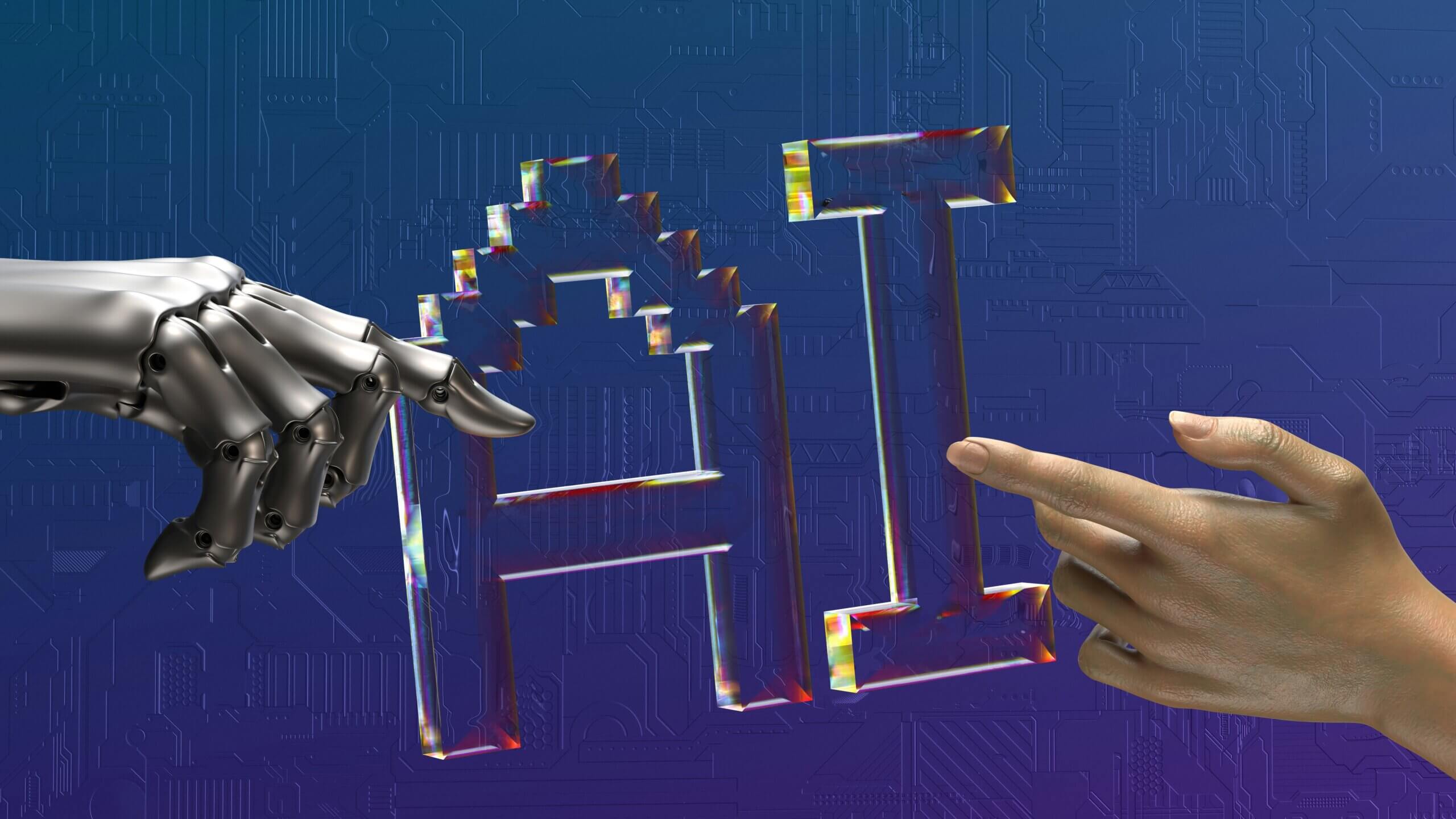
AI isn’t just hiding quietly in the background anymore; it’s everywhere today. It’s stepping onto the stage, shaping how people stream, play, and even relax. From curated playlists to immersive digital games, AI is adding new dimensions to our everyday entertainment experiences.
This shift isn’t here to replace human creativity but to show how technology is thriving, augmenting and enhancing our creative potential. So, is tech reshaping what audiences expect from fun? Let’s dive in and explore the surprising ways AI is transforming the entertainment landscape.
Personalized Streaming and Content Discovery
Streaming platforms keep people hooked by serving up endless shows, songs, and videos. Developers spotted how AI could strengthen that bond and introduced smarter recommendation tools. Viewers loved the change! AI algorithms analyze viewing history, preferences, and even viewing habits (like what time you typically watch, what device you use) to suggest content you’re likely to enjoy. This goes beyond simple genre matching. AI understands nuanced similarities between content, recommending hidden gems you might otherwise miss. Think of it as having a hyper-attentive personal movie curator who knows your tastes better than you do. This leads to increased user engagement, longer viewing times, and greater platform loyalty.
AI-Powered Music Composition and Generation
Forget writer’s block! AI is now composing original music, from catchy jingles to entire orchestral scores. AI algorithms are trained on vast libraries of musical data, learning patterns, harmonies, and melodies across different genres. This allows them to generate unique and original compositions that mimic, blend, or even innovate beyond existing styles. While some might fear this threatens human composers, many see it as a powerful tool for collaboration and inspiration. AI can quickly generate variations on a theme, create background music for videos, or even help composers overcome creative hurdles by providing new melodic ideas. This democratizes music creation, making it accessible to a wider audience.
Gaming’s Next Level: AI-Driven Game Development and NPCs
The gaming industry is undergoing a massive transformation thanks to AI. AI is being used to create more realistic and dynamic game worlds, with non-player characters (NPCs) that respond intelligently to player actions. Imagine NPCs that remember your past interactions, adapt their behavior based on your choices, and even form genuine relationships with you within the game world. AI is also streamlining game development, automating tedious tasks like level design and asset creation, freeing up developers to focus on the creative aspects of game design. Furthermore, AI is used in creating adaptive difficulty levels. The game dynamically adjusts difficulty based on the player’s skill level, ensuring a challenging yet rewarding experience, keeping them engaged longer.
AI-Enhanced Film and Video Production
From scriptwriting to post-production, AI is revolutionizing the film and video industry. AI-powered tools can analyze scripts to predict audience reception, generate storyboards, and even create realistic special effects. AI can also automate the tedious process of video editing, automatically cutting scenes, adding transitions, and even generating subtitles. This significantly reduces production costs and speeds up the filmmaking process, allowing filmmakers to focus on crafting compelling stories. AI is also being used for deepfake technology, which, while controversial, showcases the immense power of AI in manipulating and creating realistic visual content.
Voice Cloning and AI-Generated Performances
Imagine hearing your favorite actor deliver a line in a movie they never actually starred in. Voice cloning technology, powered by AI, is making this a reality. AI algorithms can analyze hours of audio recordings to create a realistic digital replica of someone’s voice. This has numerous applications in entertainment, from creating voiceovers for documentaries to bringing deceased actors back to life in new productions. However, ethical considerations surrounding consent and ownership are paramount. AI-generated performances, combining voice cloning with digital avatars, are also emerging, blurring the lines between reality and virtuality.
Interactive Storytelling and AI Companions
AI is breathing new life into storytelling, creating interactive narratives where the audience can directly influence the plot and character development. AI-powered platforms allow users to create their own personalized stories, with characters and storylines adapting to their choices. Furthermore, AI companions are becoming increasingly sophisticated, offering personalized entertainment and emotional support. These virtual characters can engage in meaningful conversations, tell jokes, play games, and even offer advice. While the long-term impact of these AI companions on human relationships remains to be seen, they offer a glimpse into the future of interactive entertainment.
AI in Theme Park Design and Experiences
Theme parks are constantly striving to create more immersive and engaging experiences, and AI is playing a crucial role. AI is used to optimize ride wait times, personalize visitor experiences, and even create interactive attractions that respond to guest behavior. Imagine a haunted house where the scares are tailored to your individual fears, or a virtual reality ride that adapts to your movements and decisions. AI is also being used to create more realistic animatronics and robots, blurring the lines between reality and fantasy. Theme parks are using AI to analyze guest flow patterns to better understand how people move about the park, helping them to improve layout and reduce congestion.
The Ethical Considerations and the Future of AI in Entertainment
While the possibilities of AI in entertainment are vast, it’s crucial to address the ethical considerations. Concerns about copyright infringement, job displacement, and the potential for misuse of AI-generated content need careful consideration. Ensuring transparency, accountability, and ethical guidelines are essential to harness the power of AI responsibly. The future of AI in entertainment promises even more personalized, immersive, and interactive experiences. As AI technology continues to evolve, we can expect to see even more groundbreaking innovations that transform the way we create, consume, and experience entertainment.
Conclusion: AI – The Entertainment Co-Creator
AI is no longer just a tool; it’s becoming a co-creator in the entertainment industry. From personalized streaming recommendations to AI-generated music and immersive gaming experiences, AI is transforming every facet of how we enjoy ourselves. As we move forward, it’s imperative that we embrace the potential of AI while addressing the ethical considerations to ensure a future where technology enhances, rather than replaces, human creativity and connection. The show, powered by AI, is just beginning.
Frequently Asked Questions (FAQs)
- Will AI replace human artists and entertainers?
- AI is more likely to augment human creativity than replace it entirely. AI tools can assist artists with tedious tasks, generate new ideas, and push creative boundaries. However, the human element of emotional expression and unique perspective remains crucial.
- What are the ethical concerns surrounding AI in entertainment?
- Ethical concerns include copyright infringement of training data, potential job displacement for artists, misuse of deepfake technology for malicious purposes, and the potential for AI-generated content to spread misinformation or harmful stereotypes.
- How will AI change the way we consume entertainment in the future?
- AI will likely lead to more personalized and interactive entertainment experiences. We can expect to see more AI-driven recommendations, adaptive storytelling, and virtual companions that cater to individual preferences and needs.