Giorgio Armani’s Shocking Final Act: A Legacy of Luxury, Ending in Sale?
Introduction: The Emperor’s Unexpected Decree
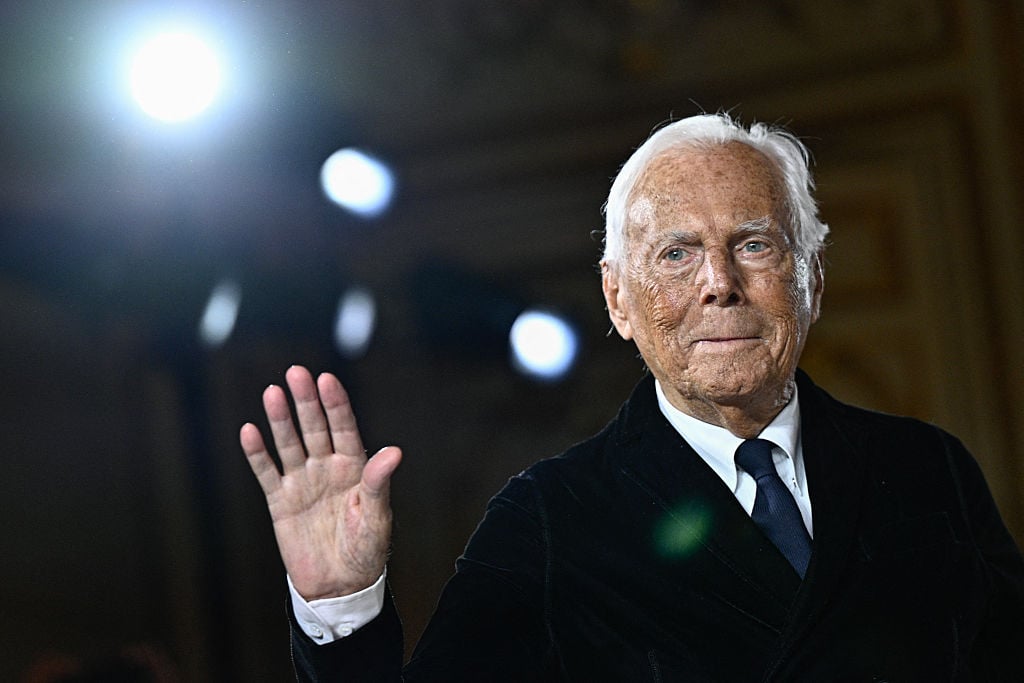
Last week, the world mourned the passing of Giorgio Armani at the remarkable age of 91. His life, a testament to resilience and unwavering vision, was celebrated in countless tributes. Born into a modest family in Piacenza, Italy, Armani’s early years were profoundly shaped by the devastation of World War II. A childhood trauma, a bomb explosion that nearly cost him his sight, left an indelible mark. His path to fashion icon wasn’t straightforward. In his 20s and 30s, Armani navigated diverse experiences, from medical aspirations to window dressing in a Milan department store. It was only in the 1960s, as he approached his 40s, that the seeds of his extraordinary fashion empire began to sprout. But the news following his death has sent ripples through the fashion world: reports suggest that Armani has instructed his heirs to eventually sell the brand, a move that seems to contradict everything the designer stood for. This unexpected twist raises questions about legacy, control, and the ultimate fate of a fashion dynasty.
The Armani Ethos: Uncompromising Independence
Unlike nearly all of his fashion peers – from Yves Saint Laurent, ultimately absorbed into the Kering conglomerate, to Valentino, now owned by Mayhoola for Investments, and Versace, now part of Capri Holdings – Giorgio Armani steadfastly maintained control of his empire. He famously resisted numerous lucrative takeover offers, fiercely protecting his brand’s independence and integrity. His philosophy was simple: Armani, the man, was inseparable from Armani, the brand. He believed that succumbing to corporate pressures would inevitably dilute the essence of his vision. This commitment to independence became a defining characteristic, solidifying his reputation as a designer who refused to “sell out.”
The Shocking Revelation: A Planned Succession Strategy
The surprise announcement regarding the future sale of Armani has left many puzzled. Why would a man so dedicated to independence ultimately decide to relinquish control? Sources close to the Armani group suggest this decision stems from a pragmatic approach to succession planning. While Armani deeply valued his brand, he recognized the challenges of maintaining its legacy after his passing. He understood that without a clear and sustainable ownership structure, the empire could become vulnerable to internal conflicts or a gradual decline in value.
Decoding the Decision: Protecting the Brand from Dissolution
The directive to eventually sell the brand isn’t necessarily a sign of weakness or a betrayal of Armani’s principles. Instead, it can be viewed as a strategic move to ensure the long-term survival and prosperity of the Armani empire. By orchestrating a controlled sale, Armani aims to select a buyer who aligns with his brand values and possesses the resources to nurture its future growth. This preemptive measure aims to prevent a piecemeal dismantling of the company or a descent into internal power struggles.
Potential Buyers: Who Will Acquire the Armani Throne?
Speculation is rife regarding potential buyers for the Armani empire. Luxury conglomerates such as LVMH and Kering are obvious contenders, given their vast resources and experience in managing high-end fashion brands. However, other possibilities include private equity firms specializing in luxury goods or even a consortium of investors with a deep appreciation for Italian craftsmanship and design. The identity of the future owner will undoubtedly shape the direction of the Armani brand for generations to come.
The Future of Armani: Navigating a New Era
The sale of Armani marks the end of an era, but it also signals the beginning of a new chapter. The new ownership will face the challenge of balancing tradition with innovation, preserving the brand’s core values while adapting to the evolving demands of the global fashion market. The success of this transition will depend on the buyer’s ability to understand and respect the legacy of Giorgio Armani.
Impact on Italian Fashion: A National Treasure at Stake
Armani’s influence on Italian fashion is undeniable. He helped redefine the concept of Italian elegance, creating timeless designs that transcended fleeting trends. The sale of his brand raises concerns about the future of Italian fashion and the potential loss of a national treasure. It is crucial that the new owner recognizes the cultural significance of the Armani brand and invests in preserving its Italian heritage.
The Legacy Continues: Giorgio Armani’s Enduring Influence
Despite the impending sale, Giorgio Armani’s legacy remains secure. His designs, his commitment to quality, and his unwavering vision have left an indelible mark on the fashion world. He transformed the way people dress, empowering them with sophisticated and comfortable clothing that embodies a sense of effortless elegance. His influence will continue to inspire designers and consumers for years to come, regardless of who owns the brand.
Conclusion: A Calculated Risk for a Lasting Empire
Giorgio Armani’s decision to order his heirs to eventually sell the brand, while surprising, appears to be a calculated risk aimed at ensuring the long-term stability and prosperity of his empire. By proactively planning for the future, Armani has sought to protect his legacy and prevent the dissolution of his life’s work. The next chapter in the Armani story promises to be fascinating, as the fashion world watches to see who will acquire the throne and how they will shape the future of this iconic brand.
FAQs
- Why did Giorgio Armani decide to sell his brand?
- Reports suggest it was a strategic move to ensure the long-term survival and prosperity of the Armani empire after his passing, preventing internal conflicts or a decline in value.
- Who are the potential buyers for the Armani brand?
- Potential buyers include luxury conglomerates such as LVMH and Kering, private equity firms, or a consortium of investors.
- What will happen to the Armani brand after the sale?
- The future of the brand will depend on the buyer’s ability to balance tradition with innovation, preserving the core values while adapting to the global fashion market.