The Snooze That Saved Football: How Halas’ Oversleeping Shaped the NFL
Introduction: The Butterfly Effect in Gridiron History
Sports are a tapestry woven with countless “what ifs.” We endlessly debate the sliding door moments: Ray Allen’s clutch three, Alex Gordon’s potential inside-the-park home run, the Seahawks’ fateful Super Bowl pass. These hypotheticals, while entertaining, often only alter a single game or series. But what if a single life spared by mere minutes had ramifications that echoed through decades, shaping an entire professional league? This is the story of George Halas, a fateful train ride, and how a little extra sleep might have erased the NFL from existence.
The Curtain Rises: Halas’ Early Life and Ambitions
George Stanley Halas, born in 1895, was a multi-sport athlete with a burning desire to excel. He played football, baseball, and basketball at the University of Illinois, displaying the leadership and tenacity that would become hallmarks of his later career. Halas envisioned a career combining his athletic prowess with his business acumen. But the path to becoming “Papa Bear,” the legendary founder and coach of the Chicago Bears, was nearly derailed by a tragic event far beyond his control. His early life, brimming with athletic achievements and unwavering ambition, set the stage for a potential game-changer, both on and off the field.
The Great Lakes Naval Training Center and a Fateful Commute
World War I interrupted Halas’ burgeoning career. He enlisted in the Navy and was stationed at the Great Lakes Naval Training Center near Chicago. This proximity to his hometown would soon play a crucial role in his destiny. The Navy provided not only military training but also opportunities for Halas to continue playing sports, including football. It was during this period that he met several individuals who would later become integral to the early NFL, further demonstrating the interconnectedness of events leading to the league’s formation.
The Illinois Central Railroad Accident of 1915: A Brush with Mortality
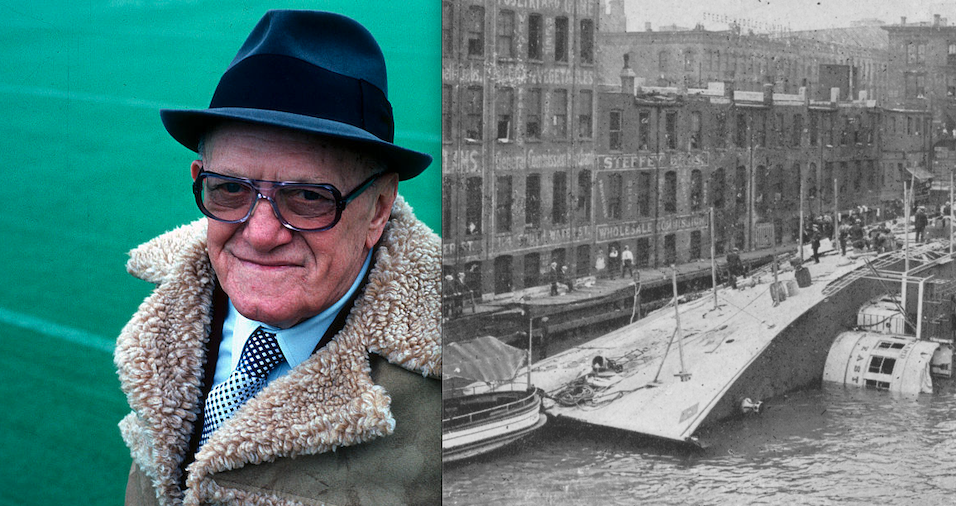
On December 20, 1915, a horrific train accident occurred on the Illinois Central Railroad near Hammond, Indiana. A passenger train was struck from behind by another train, resulting in a catastrophic pileup that claimed the lives of dozens of people. Halas, who frequently commuted between Chicago and Champaign on the Illinois Central, was scheduled to be on that very train.
Oversleeping and a Twist of Fate: A Life Spared
As fate would have it, George Halas overslept that morning. He missed the train that would ultimately crash. It was a simple twist of fate, a momentary lapse in punctuality, that spared his life. Had he been on board, the course of sports history might have been irrevocably altered. It’s impossible to quantify the impact this near-miss had, but the sheer magnitude of Halas’ influence on professional football makes it an event worth contemplating.
The Birth of the Bears: Halas’ Vision Takes Shape
Following his military service, Halas played professional baseball briefly before dedicating himself fully to football. In 1920, he co-founded the Decatur Staleys, a team sponsored by the A.E. Staley Manufacturing Company. A year later, he moved the team to Chicago and renamed them the Chicago Bears. Halas’s leadership, coaching expertise, and business acumen were instrumental in establishing the Bears as one of the dominant franchises in the fledgling NFL. He instilled a culture of discipline, innovation, and fierce competitiveness that defined the team for decades.
Halas’ Lasting Legacy: Shaping the NFL Landscape
George Halas was more than just a coach; he was a visionary and a pioneer. He played a crucial role in the formation and development of the NFL. He helped establish the league’s rules, promoted its growth, and tirelessly advocated for its success. Halas’ influence extended beyond the Bears; he served as a mentor to countless players and coaches, shaping the landscape of professional football for generations to come. His dedication to the game, combined with his shrewd business sense, transformed the NFL from a ragtag collection of teams into a multi-billion dollar industry.
What If? Imagining a Football World Without Halas
The question remains: what if Halas had not overslept? What if he had perished in the 1915 train accident? Would professional football have thrived in the same way without his leadership? It’s impossible to know for certain, but it’s likely that the NFL would have taken a significantly different path. Perhaps another visionary would have emerged, but Halas’ unique combination of skills and unwavering commitment to the game made him an irreplaceable figure in the history of professional sports. The league might have fractured, or simply never achieved the popularity and cultural significance it holds today.
Conclusion: The Ripple Effect of a Missed Train
The story of George Halas and the 1915 train accident serves as a powerful reminder of the butterfly effect – the idea that seemingly insignificant events can have profound and far-reaching consequences. A simple act of oversleeping, a missed train, a life spared – these seemingly minor details ultimately contributed to the creation and success of the NFL. Halas’ legacy extends far beyond the football field; it’s a testament to the enduring power of fate and the remarkable impact one individual can have on the world.
FAQs
- What was the Illinois Central Railroad accident?
- It was a train collision that occurred on December 20, 1915, near Hammond, Indiana, resulting in numerous fatalities.
- How was George Halas involved in the NFL’s formation?
- Halas founded the Decatur Staleys (later the Chicago Bears) and played a significant role in establishing the league’s rules and promoting its growth.
- What makes Halas’ story a good example of the butterfly effect?
- It demonstrates how a seemingly small event, like oversleeping, can have significant and unforeseen consequences on a much larger scale.