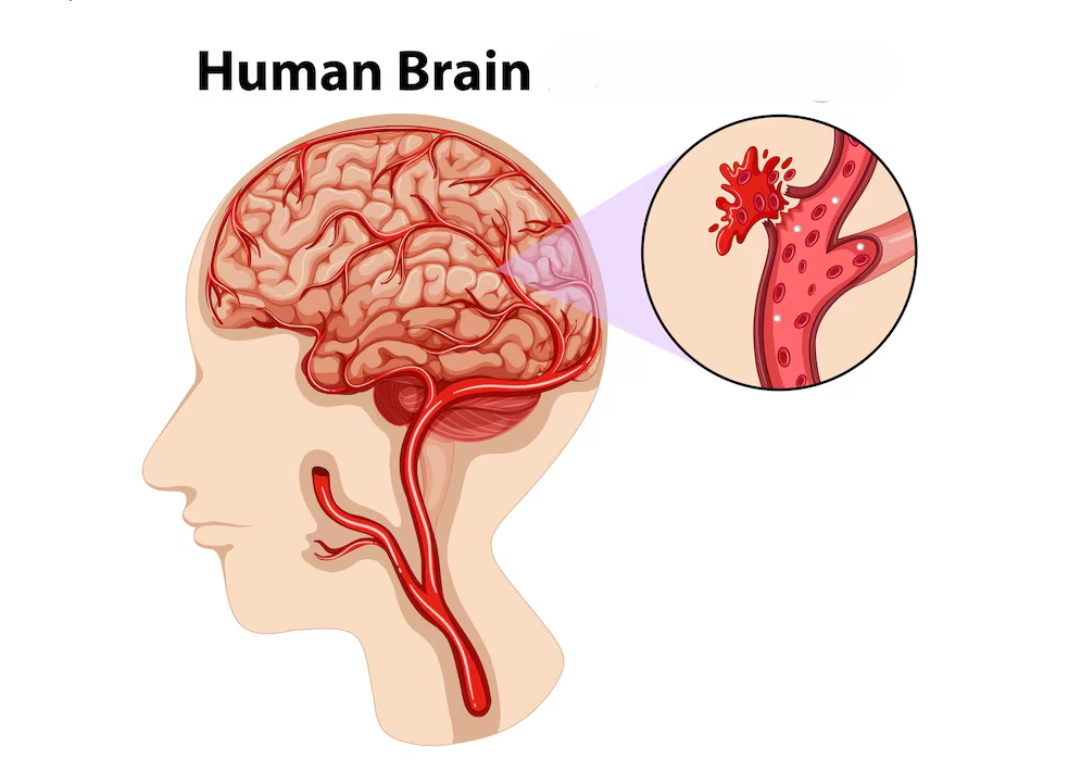
PKAN Disease: Unraveling the Mysteries of This Rare Brain Disorder
Introduction: A Glimpse into the Unknown
Pantothenate kinase-associated neurodegeneration, or PKAN, is a rare and devastating neurological disorder that often begins in childhood. This inherited condition belongs to a group of disorders known as neurodegeneration with brain iron accumulation (NBIA). While relatively unknown to the general public, PKAN presents significant challenges for affected individuals and their families. This article delves into the complexities of PKAN, exploring its causes, symptoms, diagnosis, and current treatment options, shedding light on this enigmatic disease and offering hope through understanding.
Understanding the Genetics of PKAN: The Role of PANK2
The root cause of PKAN lies in mutations within the PANK2 gene. This gene provides instructions for creating an enzyme called pantothenate kinase, which plays a crucial role in the production of coenzyme A (CoA). CoA is essential for a multitude of metabolic processes within the body, including the breakdown of fats, carbohydrates, and proteins, as well as the synthesis of hormones and cholesterol. When the PANK2 gene is mutated, the body’s ability to convert vitamin B5 (pantothenate) into CoA is impaired. This deficiency disrupts cellular energy production and leads to the accumulation of specific substances, particularly iron, in the brain, specifically in the basal ganglia. This iron accumulation is toxic to brain cells and leads to the progressive neurodegeneration characteristic of PKAN. PKAN is inherited in an autosomal recessive pattern, meaning that both parents must carry a copy of the mutated gene for their child to develop the disorder. If both parents are carriers, there is a 25% chance with each pregnancy that the child will inherit both mutated genes and be affected by PKAN.
Early Signs and Symptoms: Recognizing the Onset
The symptoms of PKAN typically manifest before the age of ten, although later-onset forms can occur. The initial symptoms can be subtle, often involving movement difficulties. Parents may notice stiffness, toe walking, or an awkward gait in their child. As the disease progresses, these symptoms become more pronounced. Dystonia, characterized by involuntary muscle contractions and abnormal postures, is a hallmark of PKAN. Other common symptoms include:
* Progressive difficulty with coordination and balance
* Speech difficulties, including slurred speech (dysarthria)
* Swallowing problems (dysphagia)
* Vision problems, such as retinitis pigmentosa
* Cognitive decline and intellectual disability
* Seizures
* Behavioral problems, including irritability and aggression
The severity and progression of symptoms can vary widely among individuals with PKAN. Some individuals may experience a rapid decline, while others may have a more gradual progression of the disease.
Diagnostic Procedures: Confirming the Diagnosis
Diagnosing PKAN can be challenging, as its symptoms can overlap with other neurological disorders. A thorough clinical evaluation by a neurologist is essential. This evaluation typically includes a detailed medical history, a neurological examination to assess motor skills, reflexes, and cognitive function, and a review of the individual’s symptoms. Genetic testing is the most definitive method for confirming a diagnosis of PKAN. This involves analyzing a blood sample to identify mutations in the PANK2 gene. Brain imaging studies, such as magnetic resonance imaging (MRI), can also be helpful in supporting the diagnosis. MRI scans of individuals with PKAN often reveal characteristic patterns of iron accumulation in the basal ganglia, sometimes described as the “eye-of-the-tiger” sign due to the specific appearance of the iron deposits.
The “Eye-of-the-Tiger” Sign: A Key Diagnostic Marker
The “eye-of-the-tiger” sign, visible on MRI scans, is a distinctive feature often associated with PKAN. This sign refers to a specific pattern of iron accumulation in the globus pallidus, a region within the basal ganglia. The MRI shows a central area of high signal intensity surrounded by a ring of low signal intensity, resembling the eye of a tiger. While not all individuals with PKAN exhibit this sign, its presence strongly suggests the diagnosis, particularly in conjunction with other clinical findings and genetic testing results. It is important to note that other conditions can also cause iron accumulation in the brain, so the “eye-of-the-tiger” sign is not exclusively diagnostic of PKAN.
Current Treatment Strategies: Managing the Symptoms
Currently, there is no cure for PKAN. Treatment focuses on managing the symptoms and improving the individual’s quality of life. A multidisciplinary approach is typically required, involving neurologists, physical therapists, occupational therapists, speech therapists, and other specialists. Common treatment strategies include:
* Medications to manage dystonia, such as baclofen or botulinum toxin injections
* Physical therapy to improve muscle strength, flexibility, and coordination
* Occupational therapy to help individuals adapt to their physical limitations and perform daily activities
* Speech therapy to address speech and swallowing difficulties
* Nutritional support to ensure adequate nutrition and prevent malnutrition
* Assistive devices, such as wheelchairs and walkers, to improve mobility
* Surgical interventions, such as deep brain stimulation (DBS), may be considered in some cases to help manage dystonia
Deep Brain Stimulation (DBS): A Potential Option
Deep brain stimulation (DBS) is a surgical procedure that involves implanting electrodes in specific areas of the brain. These electrodes deliver electrical impulses that can help regulate brain activity and reduce symptoms of movement disorders, such as dystonia. DBS has shown promise in some individuals with PKAN, particularly those with severe dystonia that is not well-controlled with medication. However, DBS is not a suitable option for all individuals with PKAN, and the decision to proceed with DBS should be made in consultation with a neurosurgeon and neurologist experienced in treating movement disorders.
Research and Future Directions: Hope for a Cure
Ongoing research is crucial for developing effective treatments and ultimately finding a cure for PKAN. Scientists are actively investigating the underlying mechanisms of the disease, exploring potential therapies that target the PANK2 gene, and developing new strategies to prevent iron accumulation in the brain. Clinical trials are also underway to evaluate the safety and efficacy of various treatments for PKAN. These research efforts offer hope for improved outcomes and a better future for individuals affected by this devastating disorder. Patient advocacy groups play a vital role in raising awareness, supporting research, and providing resources for families affected by PKAN.
Conclusion: Living with PKAN and Finding Support
Living with PKAN presents immense challenges for affected individuals and their families. The progressive nature of the disease and the wide range of symptoms can be overwhelming. However, with appropriate medical care, supportive therapies, and a strong support network, individuals with PKAN can maintain a good quality of life. Connecting with other families affected by PKAN can provide valuable emotional support, shared experiences, and practical advice. Patient advocacy groups offer a wealth of resources, including information about the disease, support groups, and opportunities to participate in research.
Frequently Asked Questions (FAQs)
- What is the life expectancy for someone with PKAN?
- Life expectancy varies greatly depending on the severity of the disease and the individual’s response to treatment. Some individuals may live into adulthood, while others may have a shorter lifespan.
- Is there a cure for PKAN?
- Currently, there is no cure for PKAN. Treatment focuses on managing the symptoms and improving the individual’s quality of life.
- How is PKAN inherited?
- PKAN is inherited in an autosomal recessive pattern, meaning that both parents must carry a copy of the mutated PANK2 gene for their child to develop the disorder.