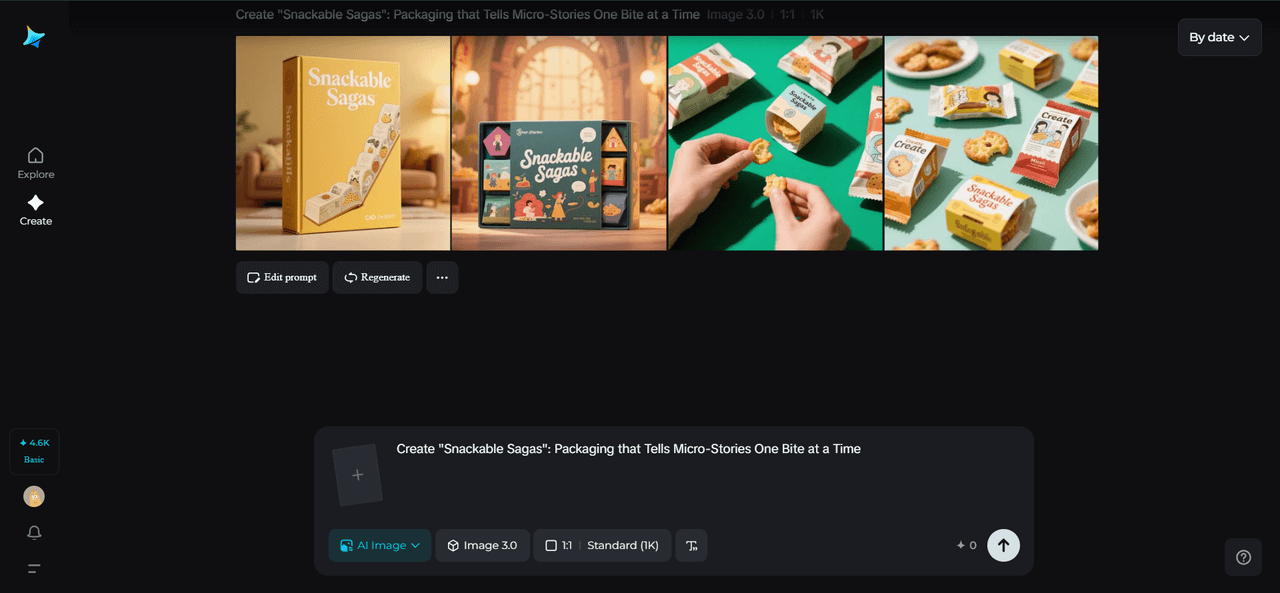
Snackable Sagas: Packaging That Bites Back With Story
Introduction: Beyond the Barcodes – Packaging as Narrative
Imagine unwrapping a chocolate bar. The foil crinkles, the rich aroma fills the air, and as the first square melts on your tongue, a tiny story unfolds in your mind. A fisherman might be reeling in a silver star under a twilight sky, or perhaps a baker is secretly imbuing her sourdough bread with ancient spells. This, in essence, is the transformative power of packaging when it dares to venture beyond the mundane realm of “nutrition facts” and boldly embraces the role of a captivating storyteller. In today’s competitive market, brands are increasingly recognizing that packaging is not merely a vessel for their products; it’s a vibrant platform, a potent marketing tool, and a direct line to the consumer’s imagination. With innovative design tools and a renewed focus on narrative, companies are crafting “snackable sagas” – micro-stories woven into the very fabric of their packaging, designed to capture attention, foster brand loyalty, and leave a lasting impression, one delicious bite at a time.
The Power of Visual Storytelling in Packaging
Visual storytelling is a powerful force in marketing, and its application to packaging is a natural evolution. Humans are inherently drawn to stories; they engage our emotions, spark our curiosity, and make information more memorable. When packaging incorporates compelling visuals that hint at a larger narrative, it creates an immediate connection with the consumer. This could involve anything from whimsical illustrations that depict the product’s origin story to abstract designs that evoke a specific feeling or mood. Think of a coffee bag adorned with a vibrant painting of a sun-drenched coffee plantation, instantly transporting you to the fields where your beans were grown. Or a tea box featuring intricate patterns that reflect the ancient rituals associated with tea consumption. These visual cues act as entry points into a larger, more engaging brand experience.
Dreamina and the Democratization of Design
Gone are the days when stunning packaging design was solely the domain of large corporations with hefty marketing budgets. Platforms like Dreamina are democratizing the design process, empowering smaller businesses and independent creators to craft visually compelling packaging that rivals the big players. These tools often provide access to vast libraries of images, templates, and design elements, along with user-friendly interfaces that make it easy for anyone to create professional-looking packaging, regardless of their design experience. This accessibility is fueling a wave of creativity and innovation in the packaging industry, leading to a more diverse and engaging landscape for consumers.
Creating Micro-Worlds on a Macro Scale
The challenge of snackable sagas lies in condensing a compelling narrative into a limited space. It’s about creating a micro-world within the confines of a box, a bag, or a wrapper. This requires a keen understanding of visual communication, a talent for brevity, and a willingness to experiment with different design elements. Brands often use a combination of illustrations, typography, color palettes, and even tactile elements to convey their story. Consider a bag of gourmet popcorn featuring a vintage-inspired illustration of a movie theater, complete with flickering lights and a bustling crowd. This simple image instantly evokes a sense of nostalgia and creates a connection to the experience of enjoying popcorn at the movies.
Beyond the Visual: Tactile Storytelling
While visual elements are crucial, tactile storytelling adds another layer of engagement to the packaging experience. The texture of the packaging, the feel of the material, and even the sound it makes when opened can all contribute to the overall narrative. For example, a luxury chocolate brand might use packaging made from thick, textured paper with a subtle embossed pattern, creating a sense of premium quality and sophistication. The sound of the foil crinkling as you unwrap the chocolate adds to the anticipation and enhances the sensory experience.
Sustainability and the Narrative of Responsibility
In today’s environmentally conscious world, sustainability is becoming an increasingly important part of the brand narrative. Consumers are demanding eco-friendly packaging that minimizes waste and reduces environmental impact. Brands are responding by using recycled materials, biodegradable inks, and innovative packaging designs that reduce the amount of packaging required. By highlighting their commitment to sustainability on their packaging, brands can strengthen their connection with consumers and reinforce their values. This could be as simple as printing a “Made with Recycled Materials” logo or as elaborate as incorporating plantable seed paper into the packaging, allowing consumers to grow their own flowers or herbs.
The Psychology of Color and its Role in Storytelling
Color psychology plays a significant role in how consumers perceive a brand and its products. Different colors evoke different emotions and associations. For example, blue is often associated with trust and reliability, while red is associated with energy and excitement. Brands can use color strategically to reinforce their brand message and create a specific mood or feeling. A brand selling organic baby food might use a palette of soft greens and earthy browns to convey a sense of naturalness and health.
Measuring the Impact of Story-Driven Packaging
How do brands measure the success of their story-driven packaging? While it can be difficult to isolate the impact of packaging from other marketing efforts, there are several key metrics that can be used. These include: increased sales, brand awareness, customer engagement on social media, and positive customer reviews. Additionally, brands can conduct market research to gather feedback on their packaging designs and assess how well they are resonating with consumers. A/B testing different packaging designs can also provide valuable insights into what works best.
Conclusion: The Future of Packaging is Narrative
The future of packaging is undoubtedly narrative-driven. As consumers become increasingly discerning and bombarded with choices, brands need to find innovative ways to stand out from the crowd. By embracing the power of visual and tactile storytelling, brands can create packaging that not only protects and promotes their products but also engages the imagination, fosters brand loyalty, and leaves a lasting impression. From whimsical illustrations to sustainable materials, the possibilities are endless. The key is to be creative, authentic, and always keep the consumer’s experience in mind. The best packaging tells a story that resonates with the consumer on a personal level, transforming a simple product into a cherished memory, one bite-sized saga at a time.
Frequently Asked Questions
- What are some key elements of effective story-driven packaging?
- Compelling visuals, a clear and concise narrative, a consistent brand voice, tactile elements that enhance the experience, and sustainable materials that align with consumer values.
- How can small businesses create engaging packaging on a budget?
- Utilize online design tools like Dreamina, focus on a simple yet impactful design, use affordable materials, and leverage user-generated content on social media to showcase their packaging.
- Is story-driven packaging suitable for all types of products?
- While it can be effective for a wide range of products, it is particularly well-suited for products that have a strong emotional connection with consumers, such as food, beverages, and personal care items. It may be less relevant for purely functional products.