Tesla Robotaxi App Storms Apple Store, Tops Travel Charts!
Introduction: A Glimpse into the Autonomous Future
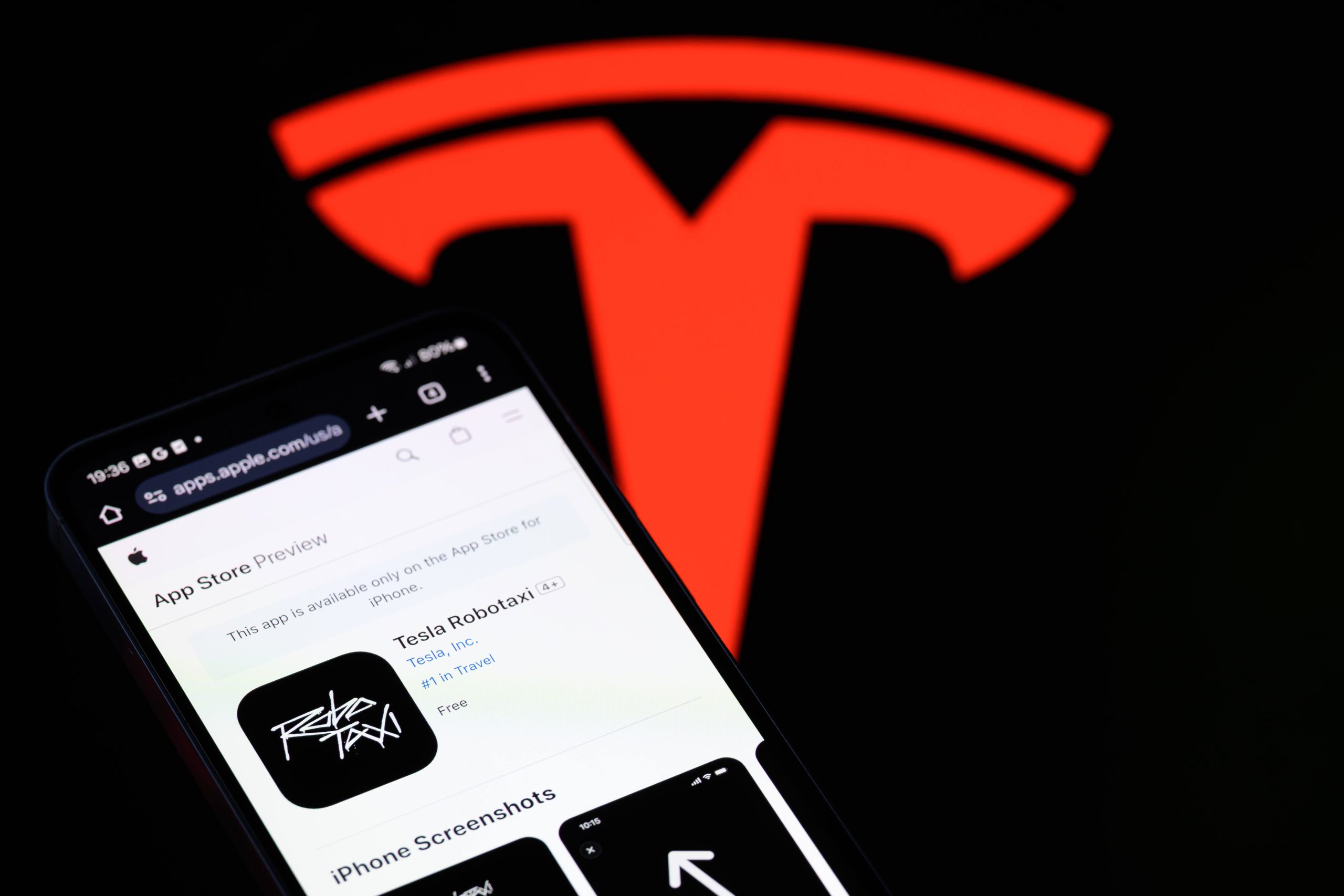
Tesla’s ambition to revolutionize transportation took a giant leap forward with the recent launch of its Robotaxi app on the Apple App Store. Even though the app isn’t yet a fully operational ride-hailing service, its immediate popularity signals immense public interest in the future of autonomous transportation. Released late last week, the app swiftly climbed the ranks, securing the No. 6 spot among the most downloaded free apps on the platform and dominating the travel category, surpassing established ride-sharing giants like Uber and Lyft. This article delves into the app’s features, the implications of its success, and what it means for the future of Tesla and the ride-hailing industry.
The App: More Than Just a Waitlist
While the current version of the Tesla Robotaxi app primarily serves as a waitlist registration platform for iOS users, its strategic importance cannot be understated. The app allows Tesla to gauge public demand for its upcoming autonomous taxi program and gather valuable user data. By registering, potential customers are essentially pre-committing to the service and expressing their willingness to embrace this new mode of transportation. The app also likely provides Tesla with the opportunity to communicate updates, news, and future developments directly to interested users, fostering a sense of community and anticipation. It’s a clever marketing strategy that builds excitement and generates buzz long before the service is fully operational.
Austin: The Robotaxi Proving Ground
Tesla’s Robotaxi vision isn’t just theoretical; it’s actively being tested. The company is currently piloting a fleet of approximately 30 autonomous vehicles in Austin, Texas. This real-world testing environment allows Tesla to gather invaluable data on how its autonomous driving system performs under various conditions, including different traffic patterns, weather scenarios, and pedestrian behavior. The data collected from these pilot programs will be crucial for refining the technology, ensuring safety, and ultimately gaining regulatory approval for wider deployment.
The San Francisco Expansion: A Hint of What’s to Come
Beyond Austin, Tesla is also preparing to launch a ride-hailing service in San Francisco. This move suggests that Tesla intends to expand its Robotaxi program beyond the pilot phase and into major metropolitan areas. San Francisco’s complex urban environment will present a significant challenge for Tesla’s autonomous driving system, but successful operation in this city would demonstrate the robustness and reliability of the technology. This expansion marks a pivotal step towards Tesla’s goal of creating a fully autonomous ride-hailing network.
Competition Heats Up: Uber, Lyft, and Beyond
Tesla’s entry into the ride-hailing market is poised to shake up the industry. Uber and Lyft have long dominated this space, but Tesla’s autonomous technology offers a potentially game-changing advantage. Robotaxis have the potential to significantly reduce operating costs by eliminating the need for human drivers. This could translate into lower fares for customers and increased profitability for Tesla. However, the established players are not standing still. Uber and Lyft are also investing heavily in autonomous driving technology, and the race to dominate the future of ride-hailing is officially on.
Regulatory Hurdles and Public Perception
The widespread adoption of autonomous vehicles faces significant regulatory hurdles. Governments around the world are grappling with how to regulate this new technology and ensure public safety. Liability issues, data privacy concerns, and cybersecurity threats are all key areas that need to be addressed. Public perception also plays a critical role. Building trust in autonomous vehicles is essential for widespread adoption. Tesla will need to demonstrate that its Robotaxi technology is safe, reliable, and secure in order to gain public acceptance.
Beyond Ride-Hailing: The Broader Implications
The development of autonomous driving technology has implications that extend far beyond ride-hailing. Self-driving vehicles could revolutionize logistics, delivery services, and even public transportation. Imagine autonomous trucks transporting goods across the country, or self-driving buses providing affordable and efficient transportation in urban areas. The possibilities are vast, and Tesla’s Robotaxi program represents just one piece of this broader technological revolution.
The Future of Car Ownership: A Shift in Paradigm
If autonomous ride-hailing services become widely available and affordable, it could fundamentally change the way people think about car ownership. For many, the convenience and cost-effectiveness of on-demand autonomous transportation could outweigh the benefits of owning a personal vehicle. This could lead to a decline in car ownership, particularly in urban areas, and a shift towards a more sustainable and efficient transportation system.
Tesla’s Ecosystem: Synergy and Innovation
The Robotaxi program fits neatly into Tesla’s larger ecosystem of electric vehicles, energy storage, and solar products. Tesla’s vertically integrated approach allows the company to control every aspect of the autonomous driving experience, from the design and manufacturing of the vehicles to the development of the software and charging infrastructure. This synergy gives Tesla a significant competitive advantage and allows the company to innovate at a faster pace.
Conclusion: A Long Road Ahead, But a Promising Start
The Tesla Robotaxi app’s swift ascent in the Apple App Store charts is a clear indication of the public’s appetite for autonomous transportation. While the journey to fully autonomous ride-hailing is still in its early stages, Tesla’s progress in Austin and San Francisco, coupled with the buzz generated by its app, positions the company as a leader in this rapidly evolving field. The road ahead is paved with regulatory challenges, technological hurdles, and competitive pressures, but Tesla’s vision and innovative spirit suggest that the future of transportation is closer than we think.
FAQs
- What is the Tesla Robotaxi app?
- The Tesla Robotaxi app, currently available for iOS, allows users to sign up for a waitlist for Tesla’s upcoming autonomous taxi program. It is not yet a fully functional ride-hailing service.
- Where is Tesla currently testing its Robotaxi program?
- Tesla is currently piloting a fleet of about 30 autonomous vehicles in Austin, Texas.
- When will the Tesla Robotaxi service be fully operational?
- There is no definitive timeline for the full launch of the Tesla Robotaxi service. It depends on technological advancements, regulatory approvals, and public acceptance.