TikTok’s Tango: US and China Steer Clear of Ban with Landmark Agreement
Introduction: Averting the TikTok Apocalypse?
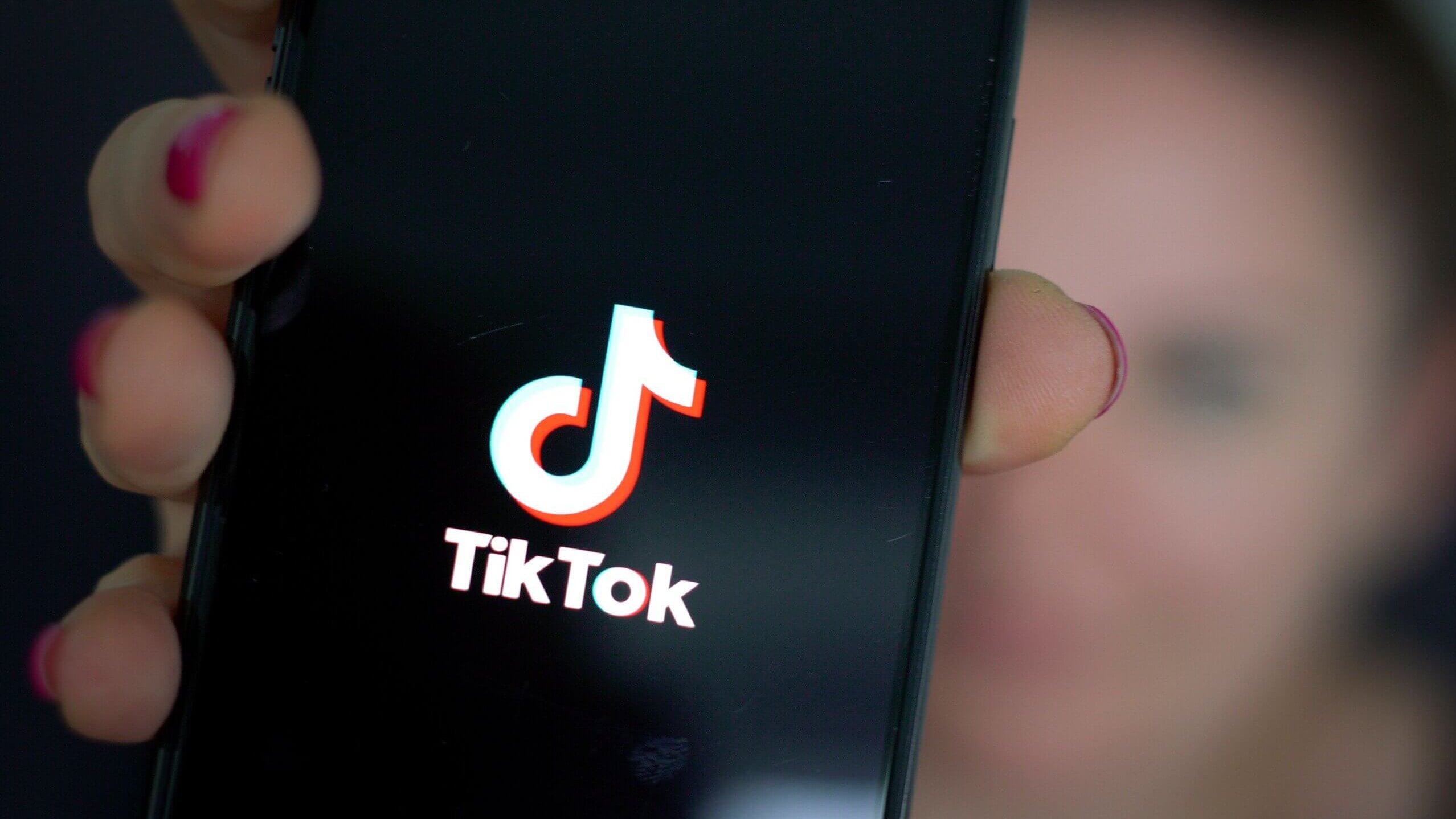
The clock was ticking, the deadline looming, and the fate of TikTok in the United States hung precariously in the balance. But recent developments signal a potential reprieve for the viral video platform. U.S. and Chinese officials, engaged in high-stakes trade negotiations in Madrid, have reportedly hammered out a tentative agreement designed to prevent an imminent ban. Treasury Secretary Scott Bessent confirmed the breakthrough, suggesting that President Donald Trump and President Xi Jinping are poised to finalize the deal later this week. Oracle stock surged, reflecting investor optimism about the potential for a harmonious resolution. But what exactly does this agreement entail, and what does it mean for TikTok users, the tech industry, and the complex relationship between the US and China?
The Looming Ban and its Implications
The threat of a US ban on TikTok stemmed from national security concerns. US officials voiced anxieties about the app’s potential to collect user data and share it with the Chinese government, as well as its susceptibility to censorship and influence campaigns. This apprehension led to an executive order that would have effectively outlawed TikTok in the US unless its parent company, ByteDance, divested its US operations to an American or allied entity by September 17. A ban would have had far-reaching consequences, disrupting the online experiences of millions of Americans who rely on TikTok for entertainment, connection, and even income. It also raised questions about free speech, competition, and the future of cross-border technology collaborations.
Oracle’s Role: More Than Just a Buyer?
While the initial executive order demanded a sale of TikTok’s US operations, the emerging agreement appears to be navigating a different course. Oracle has emerged as a key player in this evolving landscape. Instead of a outright purchase, speculation suggests that Oracle might become a trusted technology partner, providing the infrastructure and security measures necessary to alleviate US concerns. This could involve hosting TikTok’s US user data on Oracle servers, allowing for independent audits and monitoring of the app’s algorithms. The specifics remain unclear, but Oracle’s involvement appears central to the proposed solution.
Navigating the Complexities: The US-China Relationship
The TikTok saga is inextricably linked to the broader geopolitical tensions between the United States and China. Trade disputes, intellectual property theft, and concerns about technological dominance have fueled a growing sense of competition and mistrust. The TikTok situation has become a symbolic battleground, representing the challenges of navigating international relations in an era of rapid technological advancements. Any agreement regarding TikTok must address not only data security and privacy concerns but also the delicate balance of power between the world’s two largest economies.
Data Security and User Privacy: The Core Concerns
At the heart of the TikTok debate lie concerns about data security and user privacy. Critics have argued that the Chinese government could potentially access TikTok’s vast trove of user data, including browsing history, location information, and personal communications. This information could be used for surveillance, intelligence gathering, or even targeted influence operations. Any agreement must address these concerns head-on, providing robust safeguards to protect user data and prevent unauthorized access. This could involve implementing stringent data encryption protocols, establishing independent oversight mechanisms, and ensuring transparency in TikTok’s data handling practices.
The Algorithm Question: Transparency and Independence
Beyond data security, concerns have also been raised about TikTok’s algorithm, which determines the content that users see in their “For You” feeds. Critics fear that the algorithm could be manipulated to promote certain viewpoints, censor dissenting voices, or even spread disinformation. To address these concerns, the agreement may call for greater transparency in how the algorithm works and independent audits to ensure that it is not biased or manipulated. This could involve allowing third-party experts to examine the algorithm’s code and assess its impact on user experience and information flow.
The Political Fallout: Domestic and International
The TikTok situation has become a political lightning rod, attracting scrutiny from lawmakers, advocacy groups, and the general public. Any agreement will inevitably face political scrutiny, both in the US and China. Lawmakers will likely demand assurances that the agreement adequately addresses national security concerns and protects user privacy. Advocacy groups will push for greater transparency and accountability. And the general public will scrutinize the agreement to ensure that it does not compromise their rights or interests.
Looking Ahead: The Future of TikTok and Cross-Border Tech
If the proposed agreement is finalized, it could pave the way for a new model of cross-border technology collaboration, one that balances the benefits of globalization with the need to protect national security and user privacy. The agreement could also set a precedent for how other countries address similar concerns about foreign-owned technology platforms. However, challenges remain. Ensuring effective implementation of the agreement, monitoring compliance, and adapting to evolving technological threats will require ongoing vigilance and cooperation.
Conclusion: A Tentative Step Forward?
The reported agreement between the US and China regarding TikTok represents a tentative step forward in resolving a complex and politically charged issue. While details remain scarce, the agreement suggests a potential path to avoid a ban and address national security concerns without completely severing ties between the platform and its parent company. However, the ultimate success of this agreement will depend on its ability to provide robust safeguards for user data, ensure transparency in TikTok’s operations, and navigate the delicate balance of power between the US and China. Only time will tell if this agreement can truly avert the “TikTok apocalypse” and usher in a new era of responsible cross-border technology collaboration.
Frequently Asked Questions (FAQs)
What happens if the agreement falls through?
If the agreement fails to be finalized, the original executive order mandating the sale of TikTok’s US operations to a US or allied company by September 17 could come into effect, potentially leading to a ban on the app in the US.
How will user data be protected under this new agreement?
Details are still emerging, but the agreement is expected to include measures to ensure that US user data is stored and processed in the US, under the oversight of a trusted US partner like Oracle. Independent audits and monitoring of TikTok’s algorithms are also anticipated to ensure data security and prevent unauthorized access.
Is TikTok safe to use right now?
The ongoing negotiations and the potential agreement indicate efforts to address security concerns. However, users should always exercise caution when using any social media platform, including being mindful of the information they share and the permissions they grant.