Trump’s Silent Weekend: Viral Death Rumors Grip the Internet
Introduction: The Holiday Weekend That Wasn’t for Trump, Was for Online Rumors
Over Labor Day weekend, former President Donald Trump’s absence from the public eye sparked a wave of online speculation that escalated into a full-blown death hoax, amplified by conspiracy theories and viral posts across social media. What started as a quiet holiday for the former president quickly became a digital inferno of unfounded rumors and speculative hashtags, highlighting the power and potential danger of online discourse. The incident underscores the delicate balance between free speech and the spread of misinformation in the digital age, and the ease with which a silent weekend can be misinterpreted into a global trending topic.
The Spark: A Quiet Labor Day and a Void Filled with Speculation
The rumors began circulating late Sunday as Trump remained out of public view following a campaign event in Pennsylvania the previous week. In today’s hyper-connected world, prolonged silence from a figure as prominent as Donald Trump is almost unheard of. When no photos or official statements emerged during the holiday weekend, a void was created, ripe for speculation. This absence, rather than being interpreted as a simple desire for rest and relaxation, was quickly viewed with suspicion, particularly by those already predisposed to question his health and well-being. The initial whispers turned into louder concerns, eventually snowballing into outright pronouncements of his demise.
#TrumpDead Trends: How a Hashtag Fueled the Fire
Hashtags like “#TrumpDead” and “IsTrumpDead” started trending on X (formerly Twitter), fueled by speculation about his health. The trending hashtags became a vortex, pulling in users from across the political spectrum. Some were genuinely curious, while others actively fueled the rumors, sharing fabricated news articles and manipulated images. The algorithm amplified these trends, pushing the false narratives further into the public consciousness. The ease with which a hashtag can spread misinformation underscores the responsibility of social media platforms to combat the proliferation of false rumors.
Conspiracy Theories Take Hold: From Secret Hospitals to Staged Silence
Beyond the initial speculation, conspiracy theories began to proliferate. Some claimed he was secretly hospitalized, while others suggested the silence was a deliberate strategy, a staged disappearance designed to elicit a particular response. These theories, often based on little to no evidence, gained traction among certain online communities, highlighting the susceptibility of individuals to believe unsubstantiated claims, particularly when they align with pre-existing biases. The online environment provides a breeding ground for such theories, allowing them to rapidly spread and distort the truth.
The Role of Social Media Algorithms: Amplifying the Echo Chamber
Social media algorithms played a significant role in amplifying the death rumors. These algorithms are designed to show users content that they are likely to engage with, creating echo chambers where misinformation can thrive. Users who expressed initial curiosity about Trump’s whereabouts were subsequently bombarded with content reinforcing the narrative of his supposed death, making it difficult to distinguish between fact and fiction. This highlights the need for greater transparency and accountability in how social media platforms curate content and address the spread of misinformation.
Fact-Checking Efforts: Attempting to Stem the Tide of Misinformation
Despite the rampant spread of rumors, fact-checking organizations worked tirelessly to debunk the death hoax. They meticulously analyzed the claims, highlighting the lack of credible evidence and providing context to the situation. However, their efforts were often overshadowed by the sheer volume of misinformation circulating online. This highlights the challenge of combating misinformation in a digital landscape where false rumors can spread at lightning speed, outpacing the efforts of fact-checkers to correct the record.
The Impact on Trump’s Supporters and Detractors: A Divided Response
The death rumors elicited a predictably divided response. Some Trump supporters were outraged by the speculation, accusing the media and online users of spreading malicious lies. Detractors, on the other hand, often reveled in the rumors, using them as an opportunity to criticize the former president. This polarization further exacerbated the existing divisions within American society, demonstrating how even false rumors can inflame political tensions and deepen societal divides.
The Silence Broken: Trump Resurfaces, Quashing the Rumors
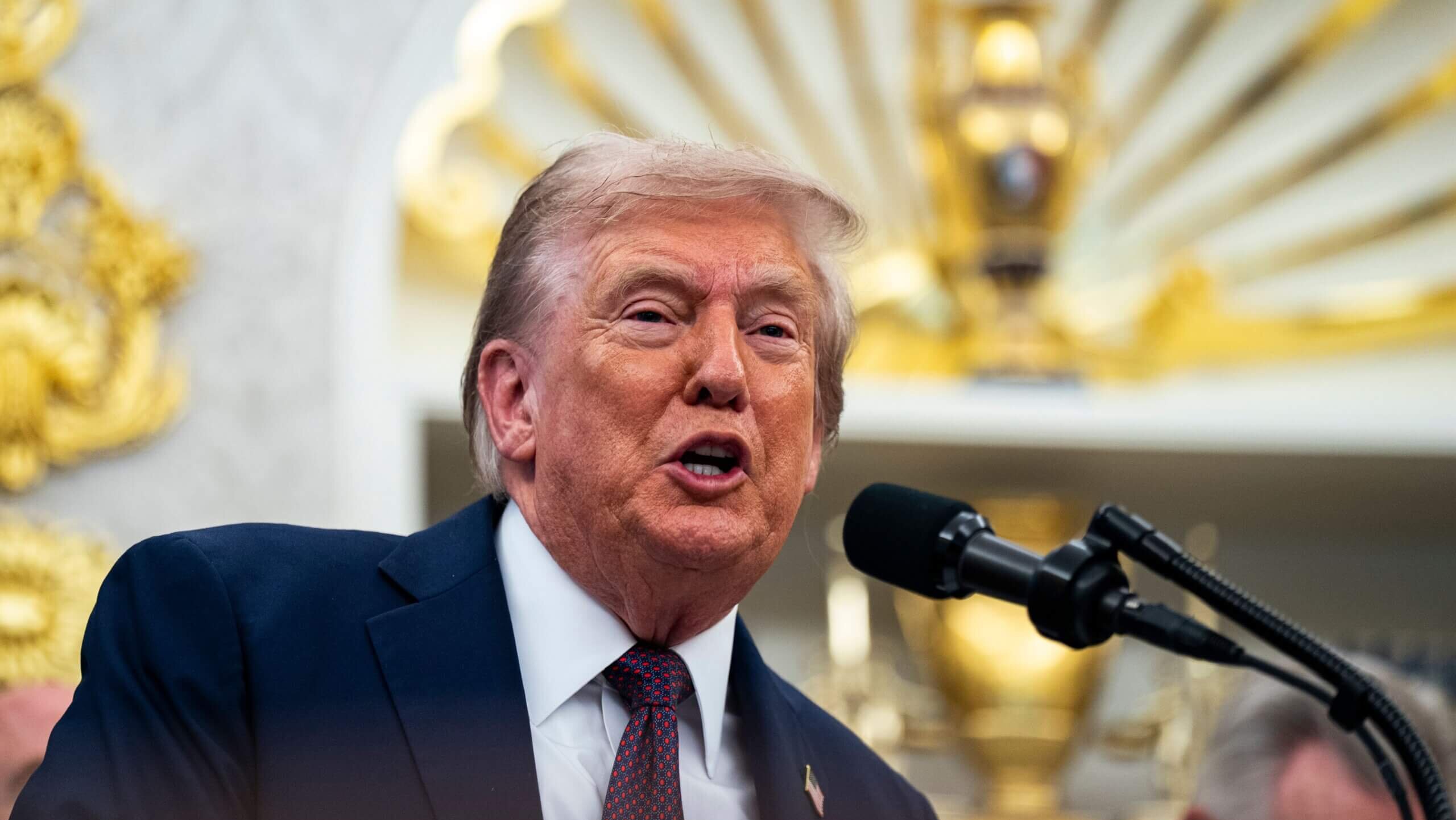
Ultimately, the rumors were put to rest when Trump reappeared publicly. His re-emergence served as a stark reminder of the ease with which misinformation can spread and the importance of critical thinking in the digital age. While some apologized for contributing to the rumors, others doubled down, claiming his reappearance was part of a larger conspiracy. This highlights the difficulty of persuading individuals to abandon deeply held beliefs, even when confronted with contradictory evidence.
Lessons Learned: Navigating the Digital Age of Misinformation
The Trump death hoax serves as a cautionary tale about the power and perils of social media. It highlights the importance of verifying information before sharing it, being aware of the potential for algorithmic bias, and cultivating critical thinking skills. In an era where misinformation can spread rapidly, it is crucial for individuals to be discerning consumers of information and for social media platforms to take greater responsibility for combating the spread of false rumors. The incident should encourage a greater awareness and understanding of digital literacy and the need to constantly question the validity of information encountered online.
Conclusion: A Reminder of the Fragility of Truth Online
The viral death rumors surrounding Donald Trump’s silent weekend serve as a potent reminder of the fragility of truth in the digital age. The incident underscores the need for vigilance, critical thinking, and responsible online behavior. It also highlights the ongoing challenge of combating misinformation in a rapidly evolving digital landscape. As technology continues to advance, it is imperative that individuals, social media platforms, and policymakers work together to promote a more informed and trustworthy online environment.
FAQs
- Q: How did the Trump death rumors start?
- A: The rumors began circulating due to Trump’s absence from the public eye over the Labor Day weekend, leading to speculation that amplified on social media.
- Q: What role did social media play in spreading the rumors?
- A: Hashtags like #TrumpDead trended on X (formerly Twitter), fueled by speculation and conspiracy theories. Algorithms amplified the rumors.
- Q: Was there any truth to the rumors?
- A: No, the rumors were false. Trump later reappeared publicly, quashing the death hoax.