Donald Trump Video Sparks Deepfake Conspiracy: Kirk Assassination Address Under Scrutiny
Introduction: Tragedy and Suspicion
A somber address purportedly from former President Donald Trump addressing the alleged assassination of conservative activist Charlie Kirk has ignited a firestorm of controversy online. The video, ostensibly released on Wednesday from the White H…, (the original snippet stops abruptly here; we will assume it means “White House”), has been dissected frame by frame, with numerous viewers raising concerns about its authenticity. Claims of digital editing and even AI deepfake generation are circulating rapidly, fueled by perceived inconsistencies in Trump’s appearance and speech patterns. The situation underscores the growing anxieties surrounding deepfake technology and its potential to spread misinformation and sow discord, particularly in the politically charged landscape of the United States. This article delves into the claims, the evidence presented, and the broader implications of this unfolding situation.
The Alleged Assassination: A Context of Unrest
Before examining the video itself, it’s crucial to understand the context surrounding the reported assassination of Charlie Kirk. While specific details are scarce in the initial report, the mere mention of such a politically motivated act immediately raises tensions and fuels speculation. The current political climate, already highly polarized, provides fertile ground for conspiracy theories and anxieties. Any claim of violence against a prominent political figure, especially one as polarizing as Kirk, is bound to trigger intense reactions and heightened scrutiny of all related information. Without further verifiable details on the assassination itself, the focus naturally shifts to the video purporting to be Trump’s response, making its authenticity all the more critical.
The Video: Initial Reactions and Red Flags
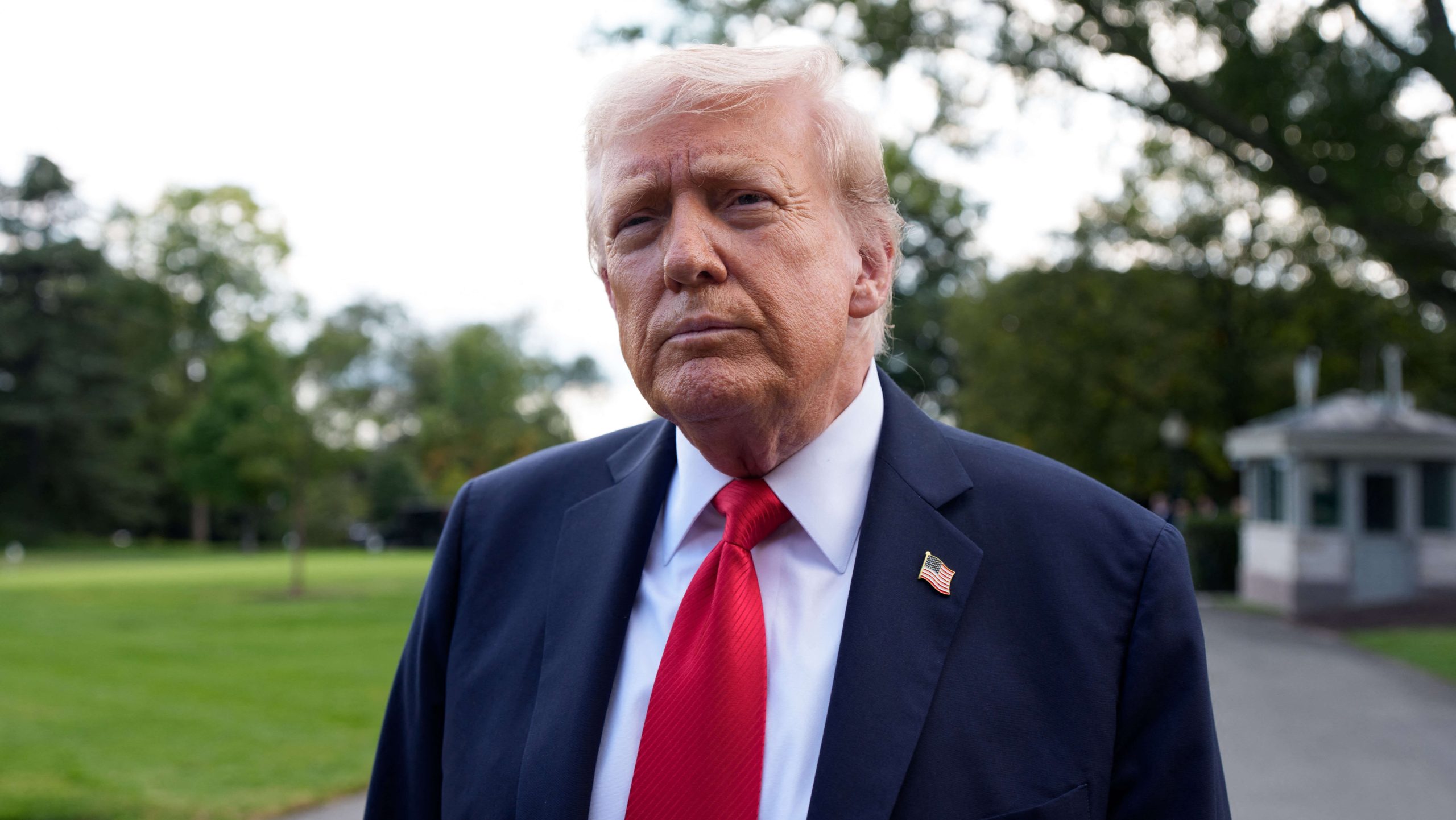
The video, shared via Trump’s official Twitter account (referenced as @realDonaldTrump), presents a visibly subdued former president delivering a prepared statement. Initial reactions were mixed, with some expressing condolences and support for Kirk’s family and the conservative movement. However, a growing chorus of voices quickly began to question the video’s legitimacy. Concerns were raised about Trump’s facial expressions, which some described as unnaturally stiff. Others pointed to subtle anomalies in his voice, suggesting the use of voice cloning technology. Still others questioned the lighting and background, claiming they appeared artificially generated. These initial observations fueled a rapid escalation of suspicion.
Analyzing the Anomalies: Deepfake Detectors and Expert Opinions
The concerns raised by viewers prompted a wave of analyses using various deepfake detection tools. While the results of these analyses remain inconclusive, several prominent deepfake experts have weighed in, offering cautious but concerned opinions. Some experts have highlighted inconsistencies in the blinking patterns and micro-movements of Trump’s face, arguing that they deviate from typical human behavior. Others have pointed to subtle distortions in the audio, potentially indicating the use of AI voice synthesis. While acknowledging that definitive proof remains elusive, these experts emphasize the need for further investigation and caution against accepting the video at face value. It’s important to note that deepfake detection technology is constantly evolving, and creating definitively undetectable deepfakes is a cat-and-mouse game.
The Power of Suggestion: Confirmation Bias and Social Media
The controversy surrounding the Trump video underscores the powerful role of suggestion and confirmation bias in shaping public perception. Once the initial claims of deepfake manipulation emerged, they spread rapidly through social media, amplified by users who were already predisposed to distrust Trump and question the authenticity of anything associated with him. This confirmation bias likely led many to selectively focus on perceived anomalies in the video, reinforcing their pre-existing beliefs and contributing to the widespread acceptance of the deepfake conspiracy. The speed and ease with which such theories can spread online highlights the challenges of combating misinformation in the digital age.
Trump’s Response (or Lack Thereof): Silence Amplifies Doubt
Adding fuel to the fire is the perceived lack of a definitive response from Trump himself or his close associates. While the original tweet purportedly originated from Trump’s account, there has been no subsequent confirmation or denial of the video’s authenticity from other official channels. This silence, in the eyes of many, further amplifies the doubt surrounding the video. If the video is indeed genuine, one might expect a swift and forceful condemnation of the assassination and a reaffirmation of the message conveyed in the address. The absence of such a response only serves to strengthen the suspicion that something is amiss.
The Political Ramifications: Eroding Trust in Media and Institutions
Regardless of whether the video is ultimately proven to be a deepfake or not, the controversy surrounding it has significant political ramifications. The incident further erodes trust in media outlets, political institutions, and even the very notion of verifiable truth. If people can no longer be certain that what they see and hear online is genuine, it becomes increasingly difficult to engage in informed political discourse and hold leaders accountable. This erosion of trust creates a fertile ground for further polarization and the spread of misinformation, potentially undermining the foundations of democratic governance.
The Future of Deepfakes: A Growing Threat to Reality
The Trump video incident serves as a stark reminder of the growing threat posed by deepfake technology. As AI continues to advance, deepfakes are becoming increasingly sophisticated and difficult to detect. This technology can be used to create highly convincing fake videos and audio recordings, potentially capable of manipulating public opinion, inciting violence, and even disrupting elections. Developing effective methods for detecting and combating deepfakes is becoming increasingly urgent, requiring collaboration between researchers, policymakers, and technology companies. Education and media literacy are also essential tools in helping the public discern real from fake content.
Conclusion: The Uncertain Truth in a Digital Age
The controversy surrounding the Donald Trump video and the alleged Charlie Kirk assassination highlights the precarious state of truth in the digital age. Whether the video is a genuine response to a tragic event or a sophisticated deepfake designed to deceive, the incident underscores the urgent need for critical thinking, media literacy, and effective tools for detecting and combating misinformation. As deepfake technology continues to evolve, we must remain vigilant and proactive in protecting ourselves from its potential harms.
FAQs
Is there definitive proof that the video is a deepfake?
Currently, there is no definitive proof that the video is a deepfake. While experts have raised concerns and highlighted anomalies, conclusive evidence remains elusive.
What are the potential consequences of a deepfake attack on a political figure?
The consequences can be severe, including erosion of public trust, incitement of violence, manipulation of elections, and damage to reputation.
What can individuals do to protect themselves from deepfakes?
Individuals can enhance their media literacy, be skeptical of online content, and rely on trusted sources for information. Look for signs of manipulation, such as unnatural movements, inconsistencies in audio, and lack of supporting evidence.